Independence — the ability to think, feel, and act without excessively relying on others to provide direction — is a crucial life skill that promotes healthy self-esteem and overall wellbeing. Here’s how you can nurture your child’s growing independence in the early years.
1. Trust Your Child’s Inherent Capabilities
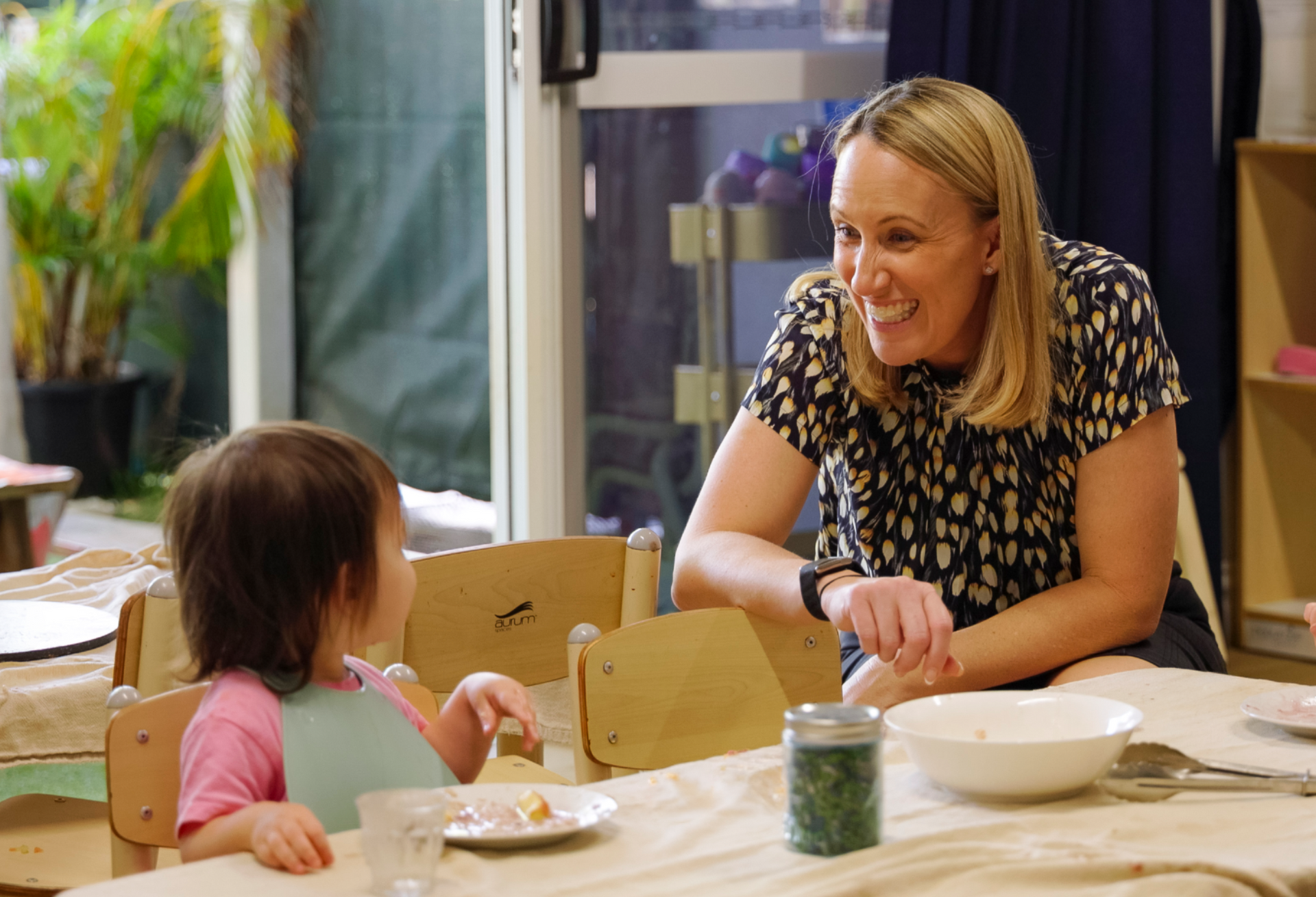
Fostering a child’s independence begins with the belief that children are naturally competent learners with the ability to make decisions for themselves. Recently, at Sanctuary’s Ashmore centre, the staff introduced drinking glasses into the toddler room. The glasses are displayed beautifully on an open shelf and available for the children to use when they want a drink. “We have 18-month-olds that will go over, grab a glass, and get the educator to help them pour the water in,” says Michelle Tuffley, Sanctuary Early Learning Adventure’s operations manager. “We trust the children enough that they’re going to hold the glass properly. We have 12 toddlers in that room —and not one of those glasses has been broken.”
2. Attune To Your Child’s Cues
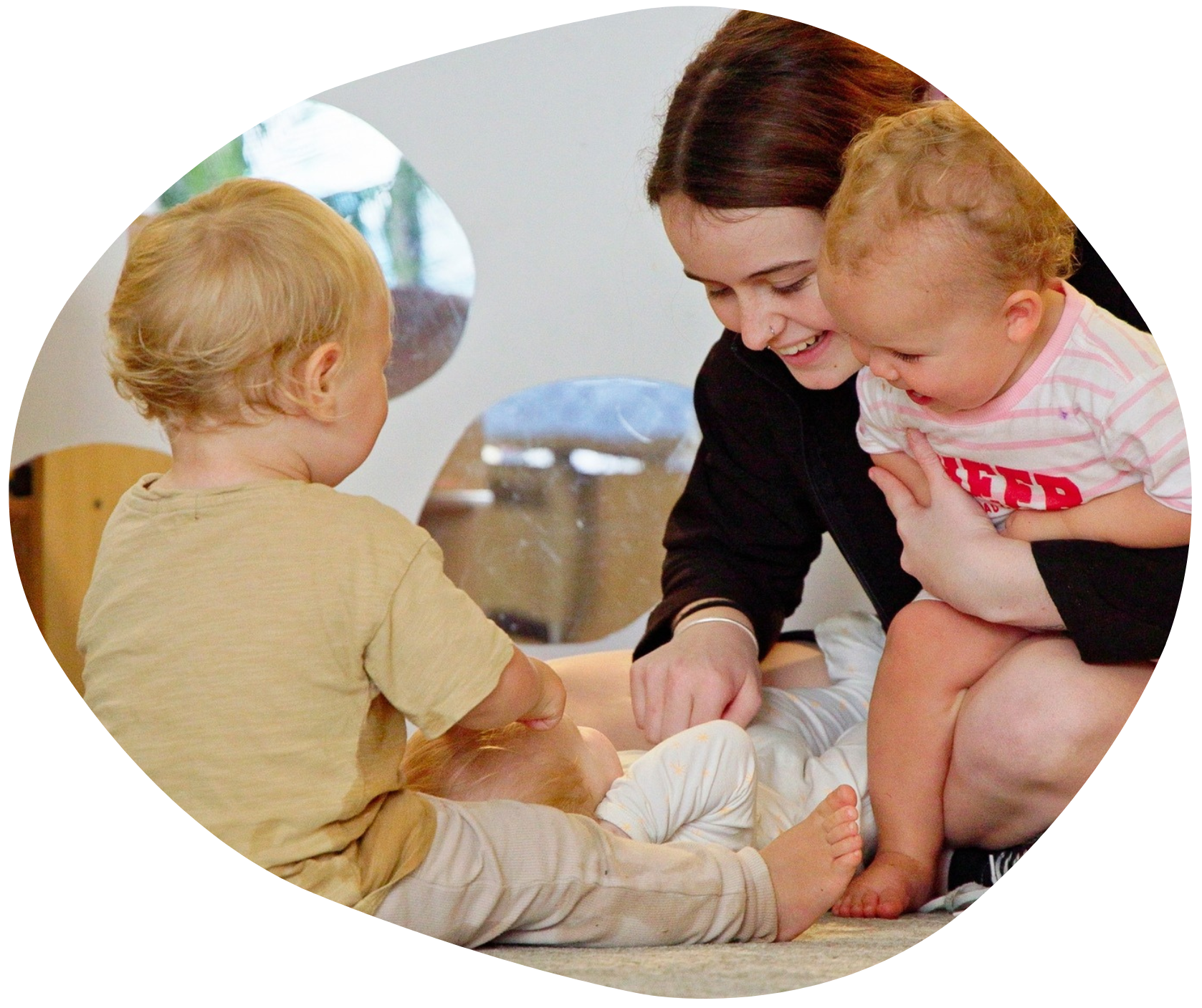
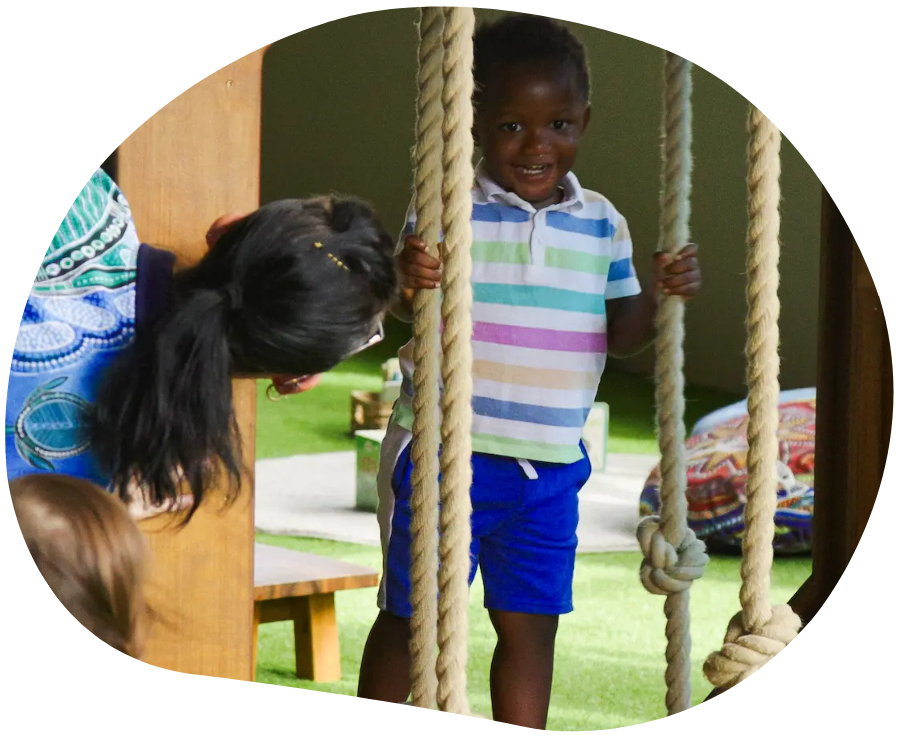
Children are born wanting to engage in their environment and connect with the people init. Even babies who’ve not yet learned to talk will use their voice and body language to express how they feel and what they want. Paying attention to your child’s engagement and disengagement cues shows you respect their ability to make choices. “Even the simplest things, like spooning food into a baby’s mouth, are an opportunity to introduce early independence skills,” says Michelle. “The baby will indicate when they’re ready for the next mouthful — but we adults are often so focused on getting our own stuff done that we’re already shoving in another spoonful.”
3. Practise Mindfulness
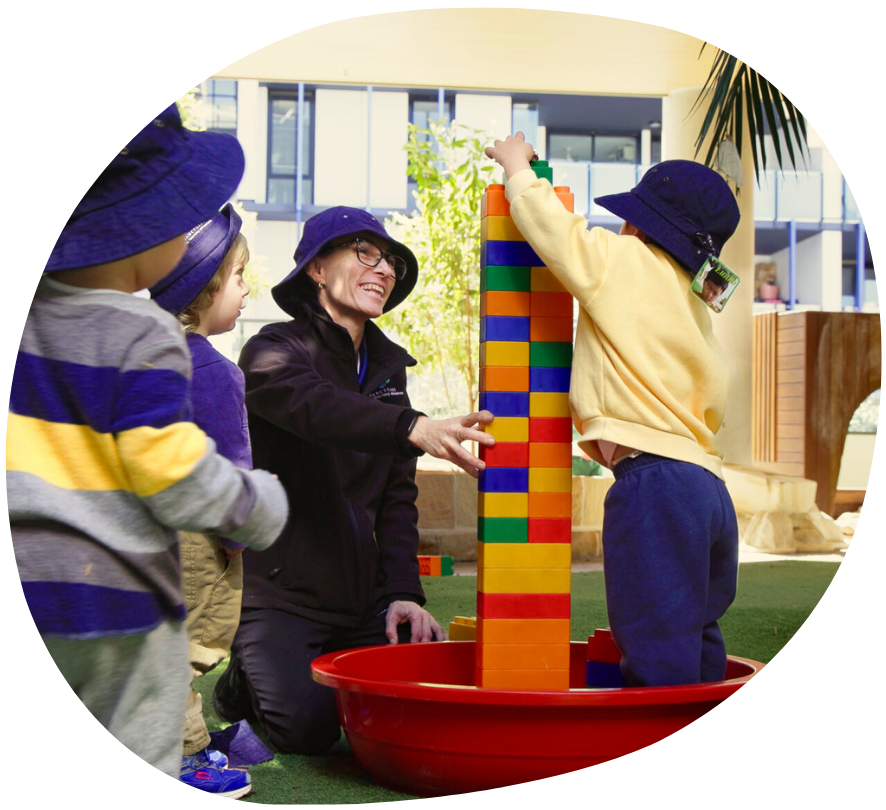
Essential to encouraging young children’s independence, then, is parents’ and caregivers’ ability to be present and connect with a child in a meaningful way. “You’ll have the child’s full attention if they have your full attention,” says Michelle. “It’s really about slowing down and connecting with integrity. When we do that, we show children that they’re worthy and build their self-worth.”
4. Give Choices
“For young children, everything is adult-directed— absolutely everything, from the time they wake up,” Michelle points out.“In these foundation years, allowing children to have agency, to make simple decisions about things like what they want to wear or what they want to eat, or have input into what they want to do for the day, helps set them up for success later in life.”
5. Limit Options
When giving your child choices, rather than open-ended questions, aim to offer two or three specific options. “It might be, ‘would you like to wear a dress today or pants?’’ suggests Michelle. “If they say pants, you can offer three options and have them choose which one. It’s important to give them space to think, too, rather than standing over them.”
6. Teach Self-Help Activities & Assign Age-Appropriate Chores
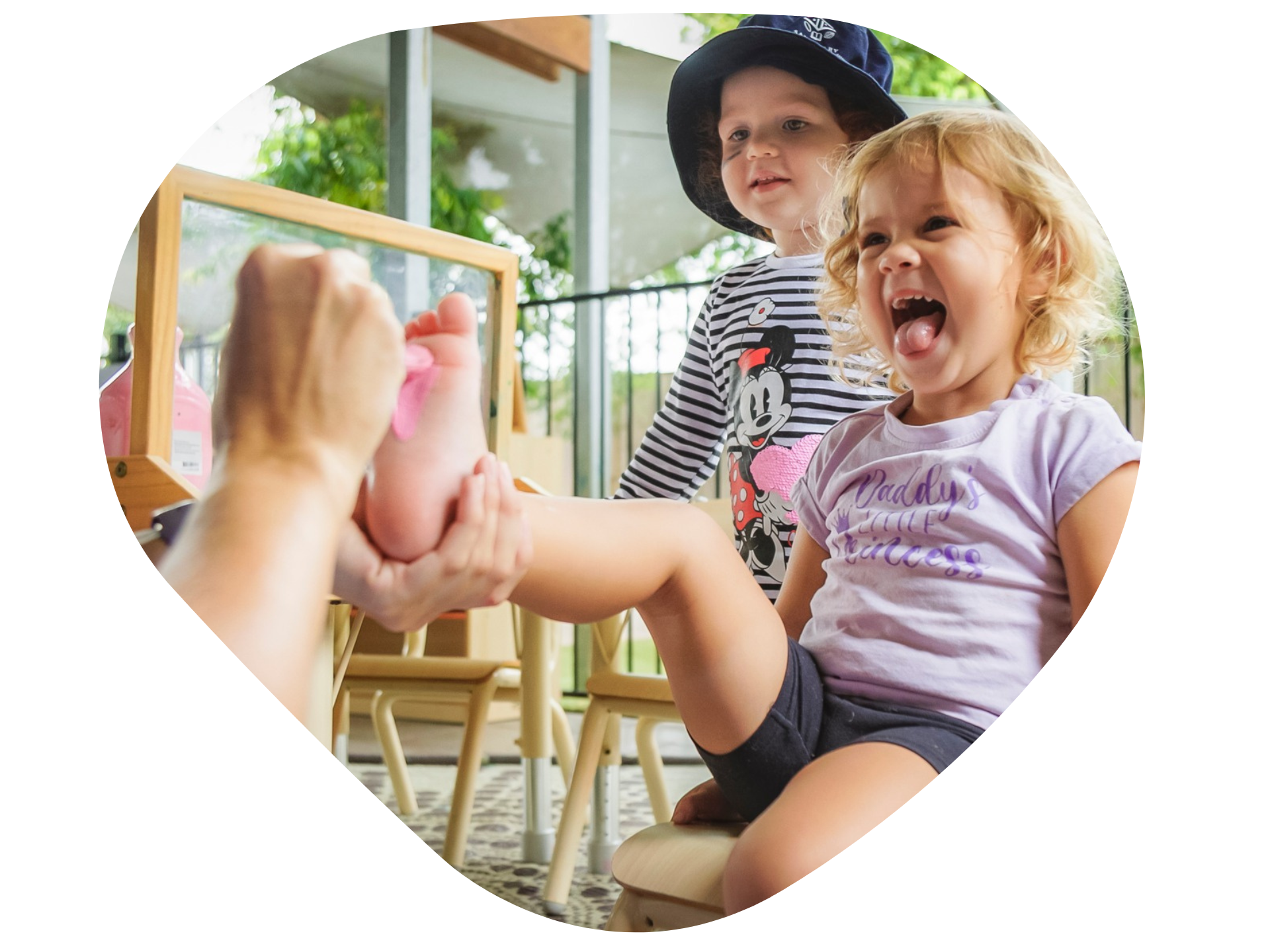
With a little bit of help and clear instruction, even very young children can learn how to undertake basic self-help activities and participate in household tasks. For example, children up to 18 months old often can drink from a cup, pick up finger food, begin to use a spoon, help get themselves dressed by putting a foot in a shoe and an arm in a sleeve, and reach for and/or point to their preferred choice. Up to 36 months, children often can wash their hands (with assistance), feed themselves with a spoon, put dirty clothes in the hamper when asked, play dress up, push and pull toys, and learn to use the toilet. By the time they’re three, children can brush their teeth(with help), play dress-up, put on shoes (without tying laces), put dishes in the sink and put rubbish in the bin.
7. Tap Into Your Child’s Interests
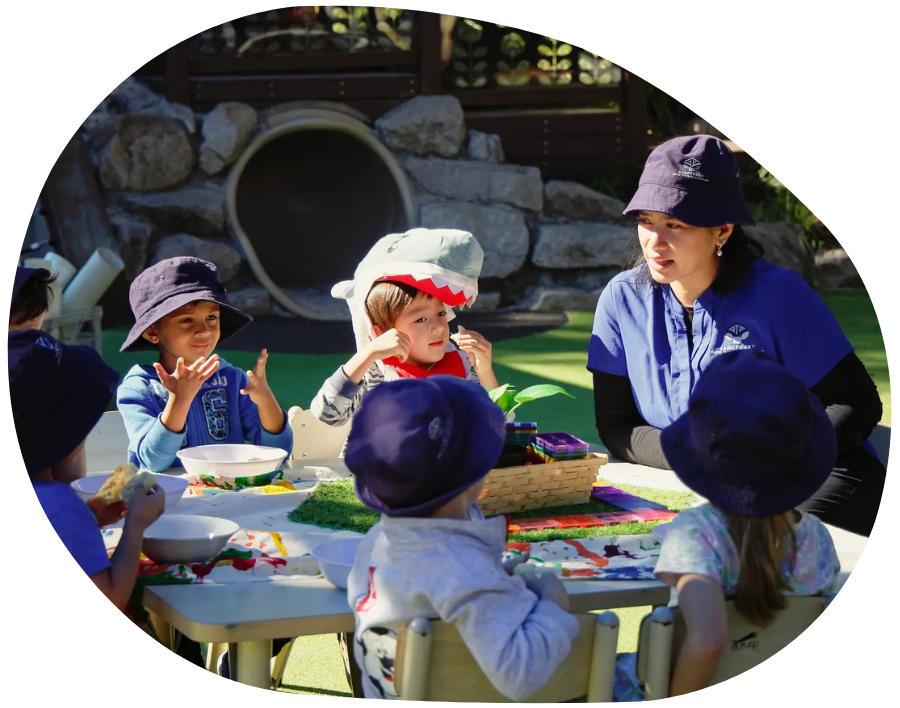
“We really need to look specifically at how each individual child learns best, and how they express themselves creatively, and we need to adapt ourselves, rather than let the children adapt to us,” explainsMichelle. “Our educators look at children’s strengths and interests, rather than weaknesses. If we wanted to encourage a child’s independence, we would identify something that they’re interested in and then intentionally introduce that concept in a way that the child learns.”
8. Praise Effort, Not Intelligence
A study by researchers at Stanford University found that the way adults praise children’s successes and failures can directly impact a child’s developing mindset. Learners who were praised for their intelligence (“you must be smart”) became fixated on being perceived as ‘smart’ and avoided tasks where they might make mistakes. By comparison, learners who were praised for their effort (“you must have worked hard”) developed a grow that mindset, believing intelligence wasn’t a fixed trait, but something to be cultivated through hard work and continued learning.
9. Normalise Failure
By teaching your child that mistakes are a normal part of the learning process, you help build their resilience. When it comes to the new drinking glasses in the
Ashmore centre’s toddler room, for example, Michelle says any breakages will be dealt with safely and welcomed as valuable learning opportunities. “We need to allow children to make mistakes, and be there to guide them, and say, ‘you know what, that’s okay, I make mistakes sometimes too!’”
10. Be Consistent
When implementing new rituals to support your child’s growing independence, consistency is key. Regular routines give children a feeling of security and self-sufficiency because it helps them predict the order of their day and understand what’s coming next. “To be consistent, you have to clear your mind and make sure you are fully present — it’s about inner preparation and outer preparation,” Michelle advises. “If you’ve said to your child, ‘this is what we’re going to be doing every day from now on’, it’s really important to follow through.”
Call
Sanctuary Early Learning Adventure today.
Author: Lauren Hall
Find Sanctuary Early Learning Adventure Ashmore here.
Find Sanctuary Early Learning Adventure Buderim here.
Find Sanctuary Early Learning Adventure - Health & Knowledge Precinct here.
Find Highfields Child Care Centre here.
Find Sanctuary Early Learning Adventure Maudsland here.
Find Sanctuary Early Learning Adventure Redlynch here.