When supporting a child’s imagination, play and
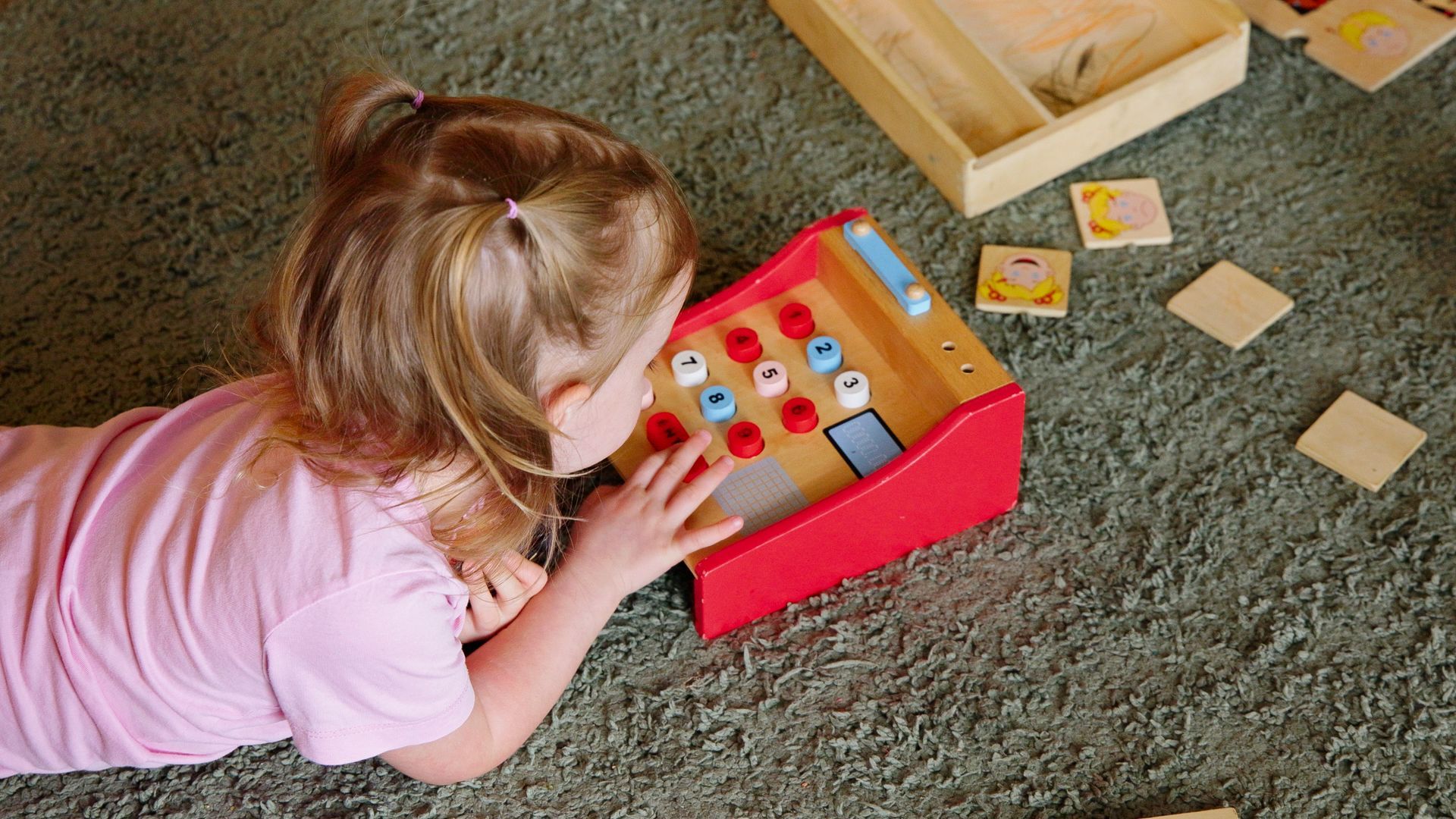
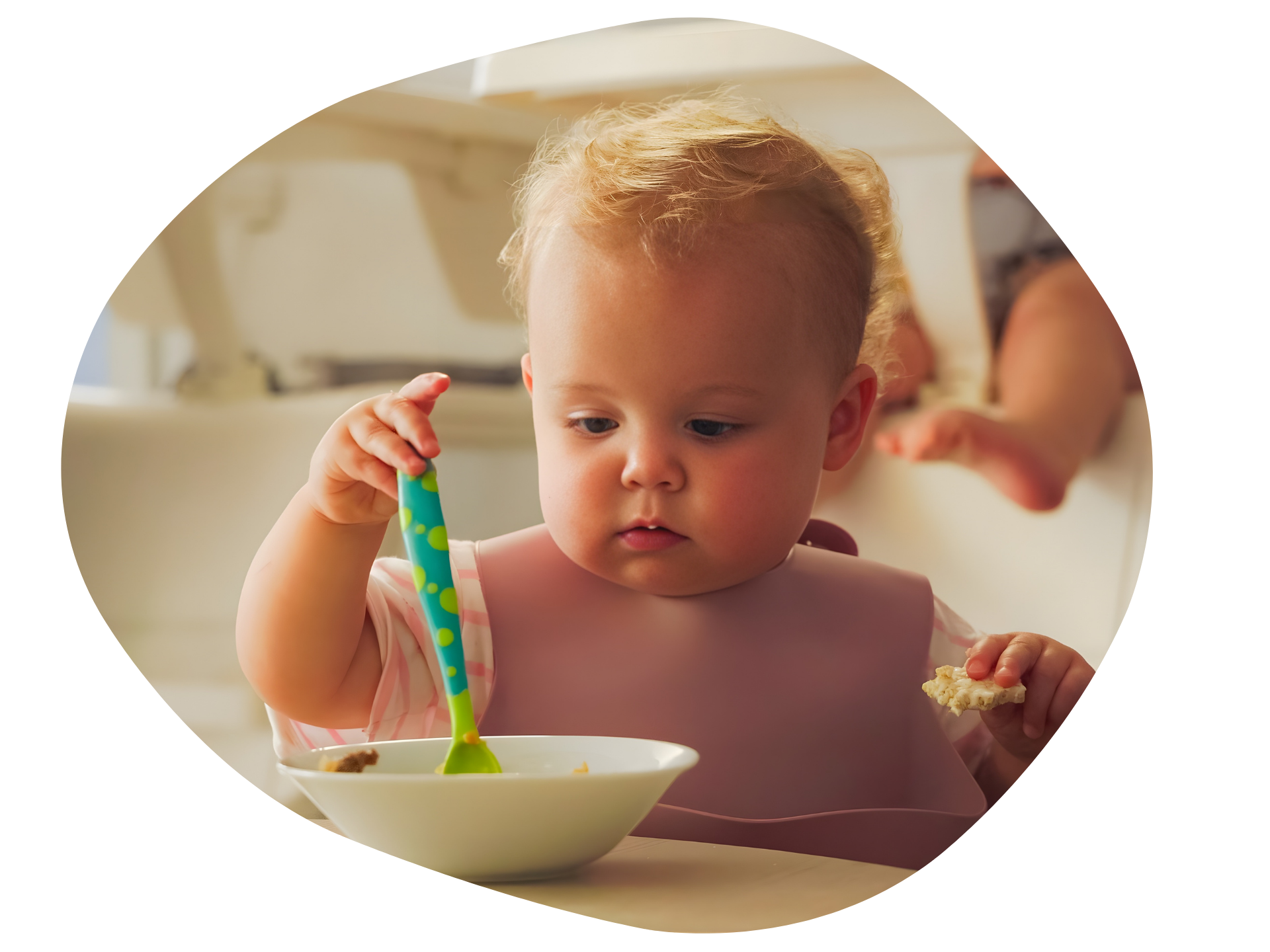
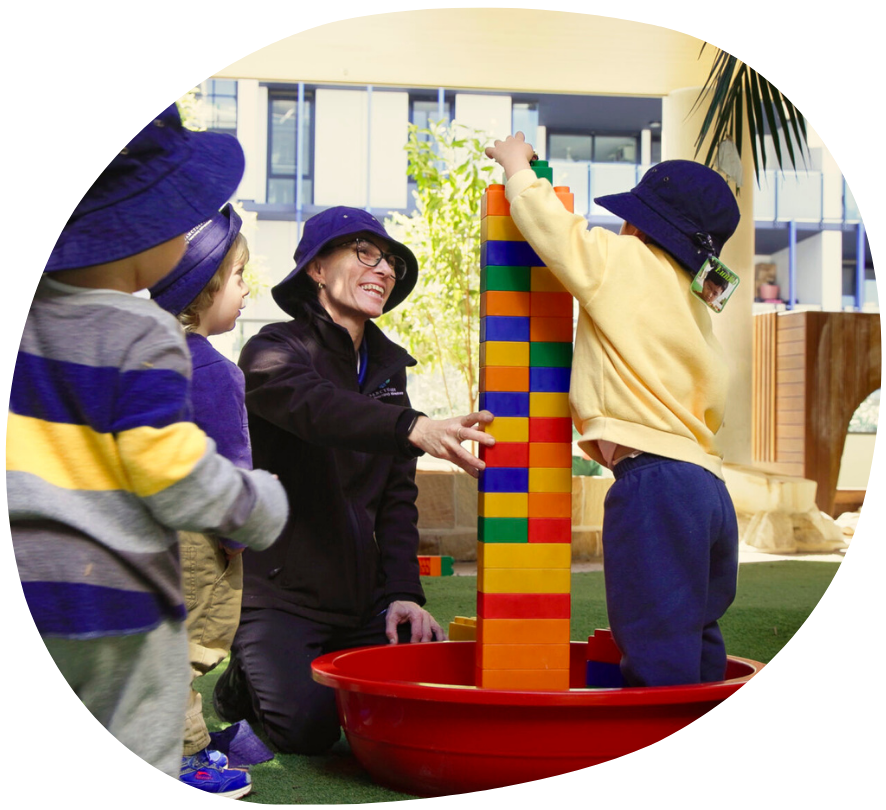
early learning, there’s no doubt—materials matter. Providing children with a range of interesting, open-ended materials inspires new learning pathways, deepens their understanding of a concept and builds creativity and cognitive abilities. How and where the materials are placed in the environment is important, too, because it influences how children use them. The more beautiful the presentation, the better!
Environment As The Third Teacher
Loris Malaguzzi, founder of the Reggio Emilia approach, believed a child’s environment is so important in the process of making learning meaningful that he defined it as the ‘third teacher’, behind parents and educators. This is why, at every
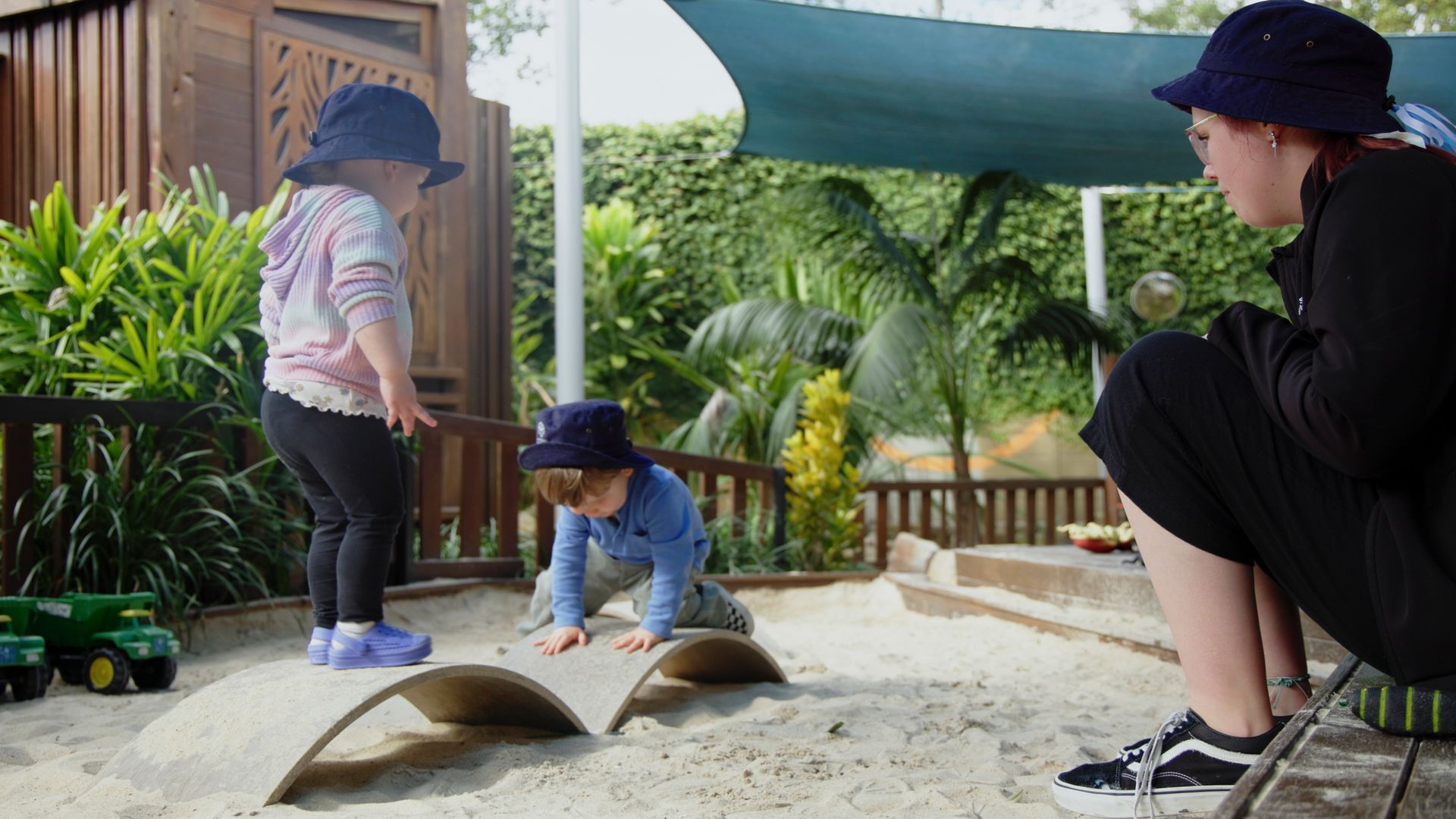
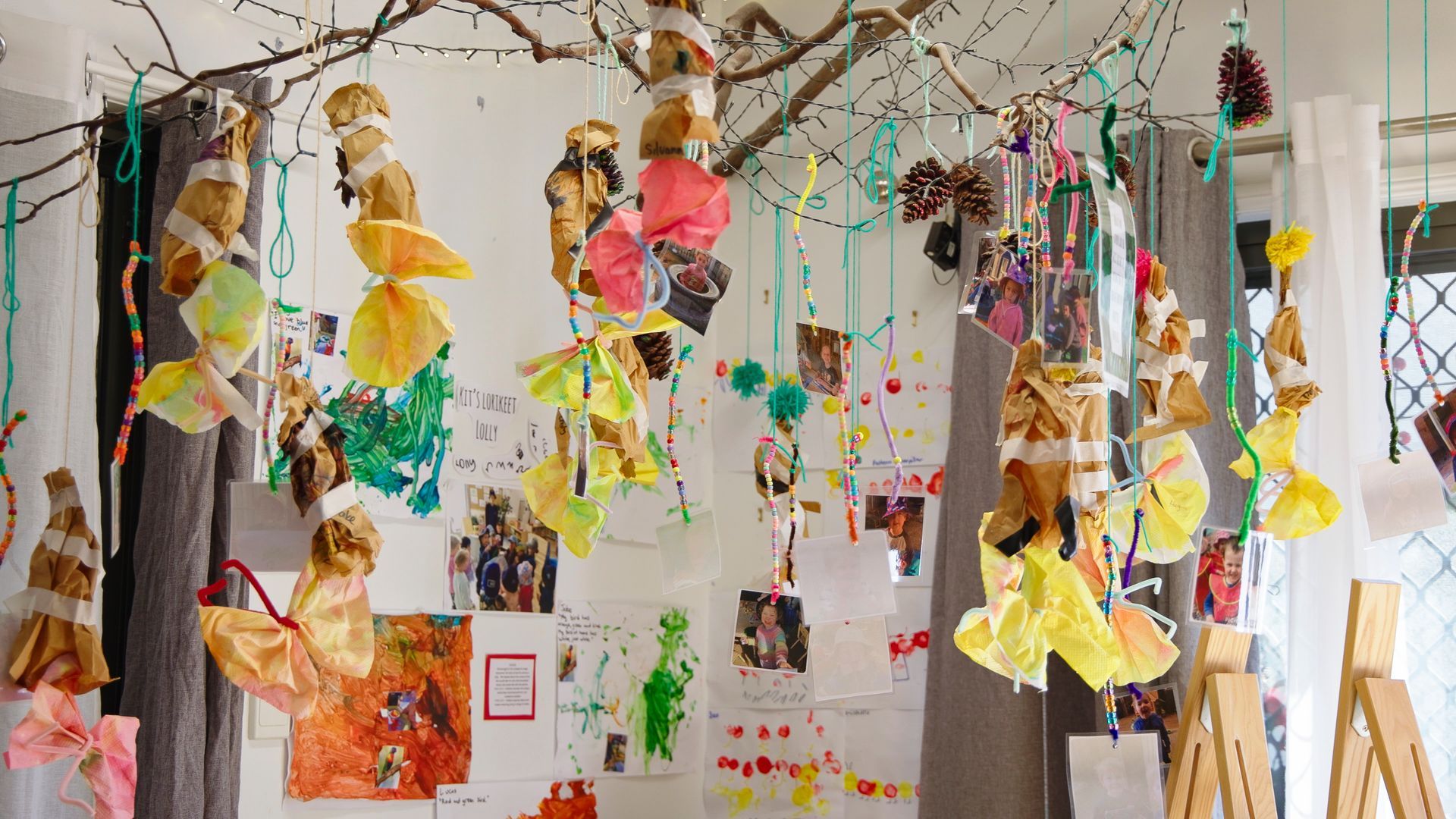
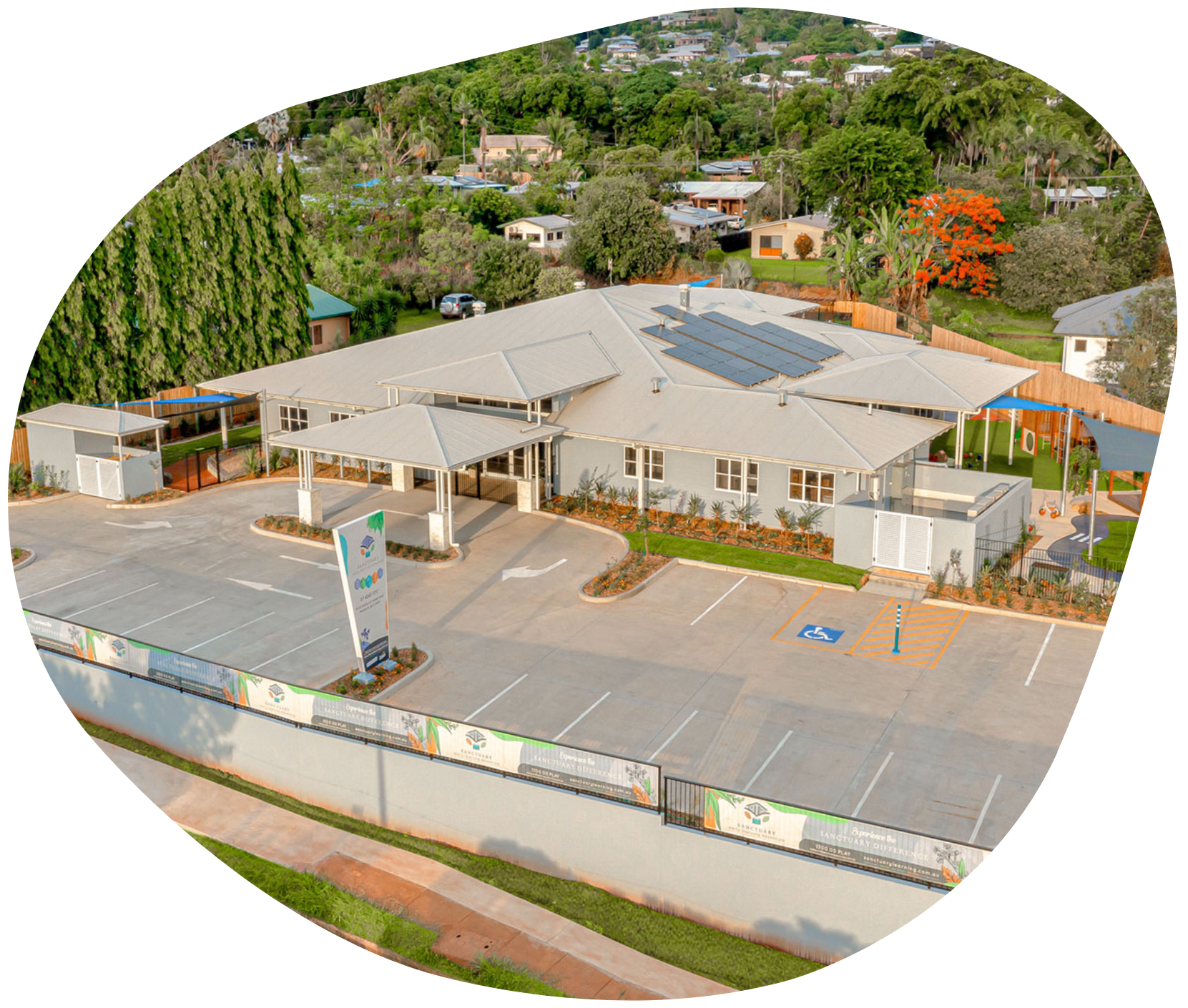
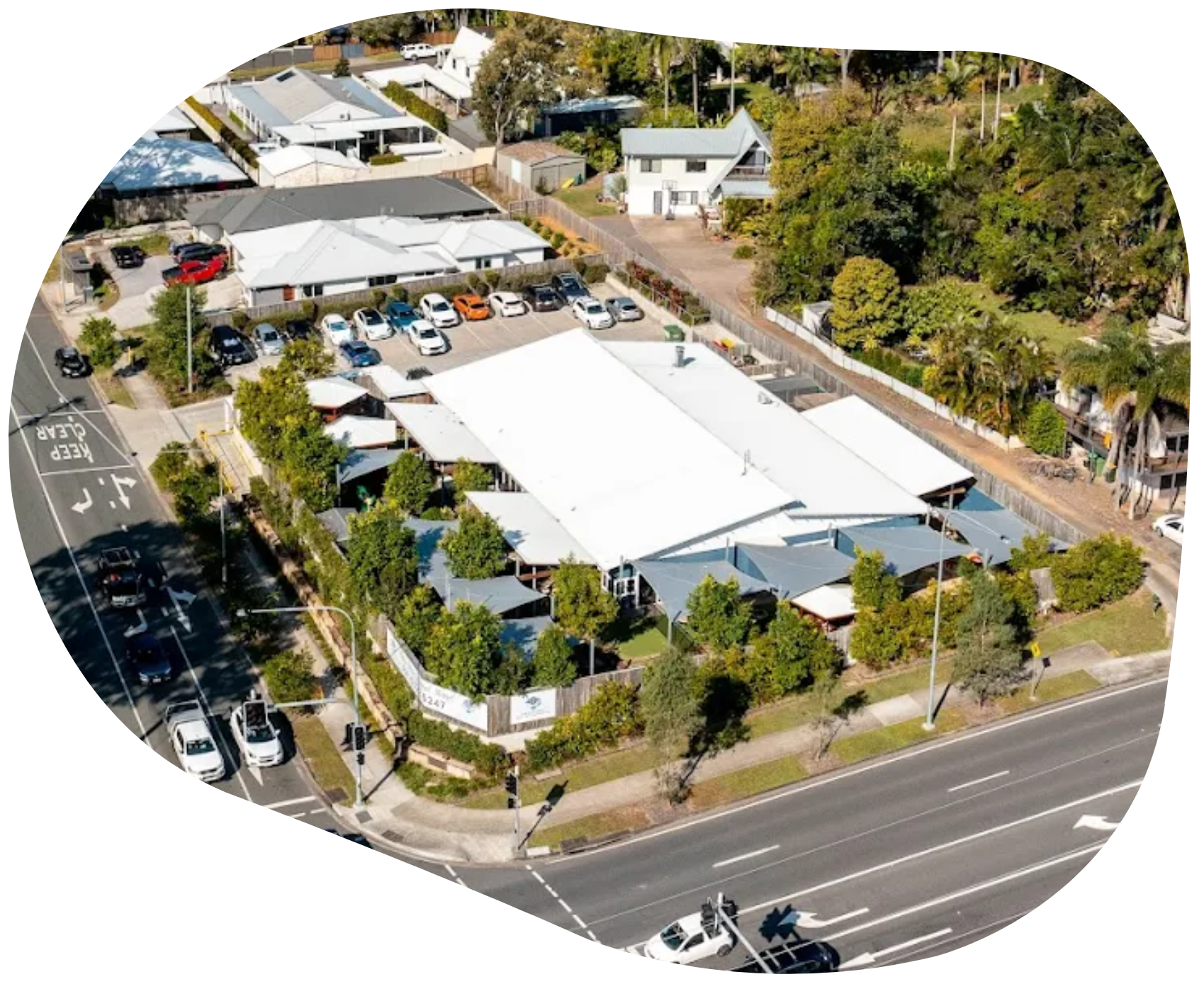
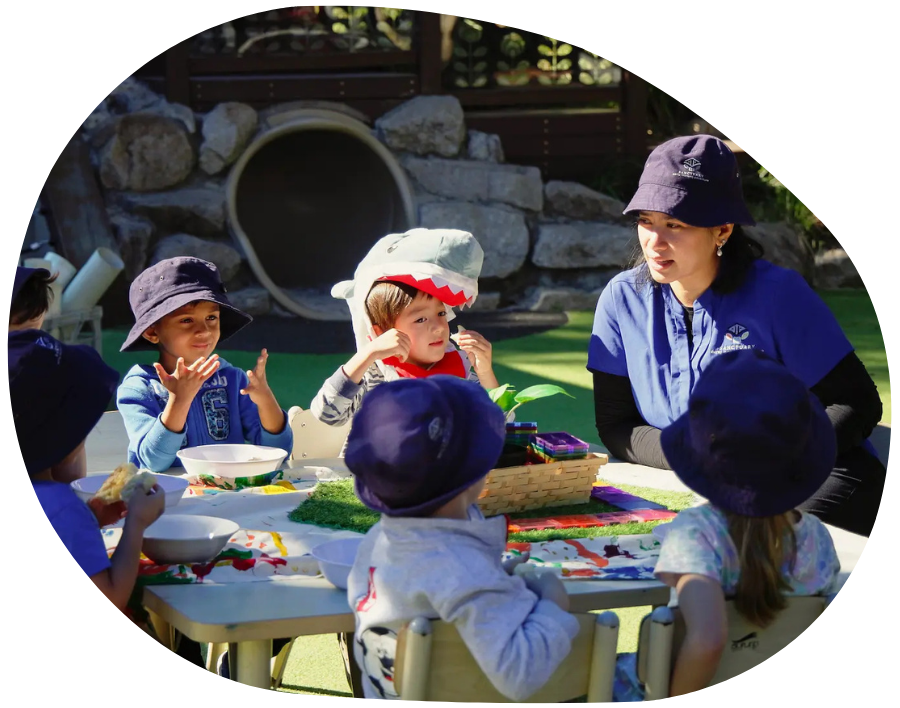
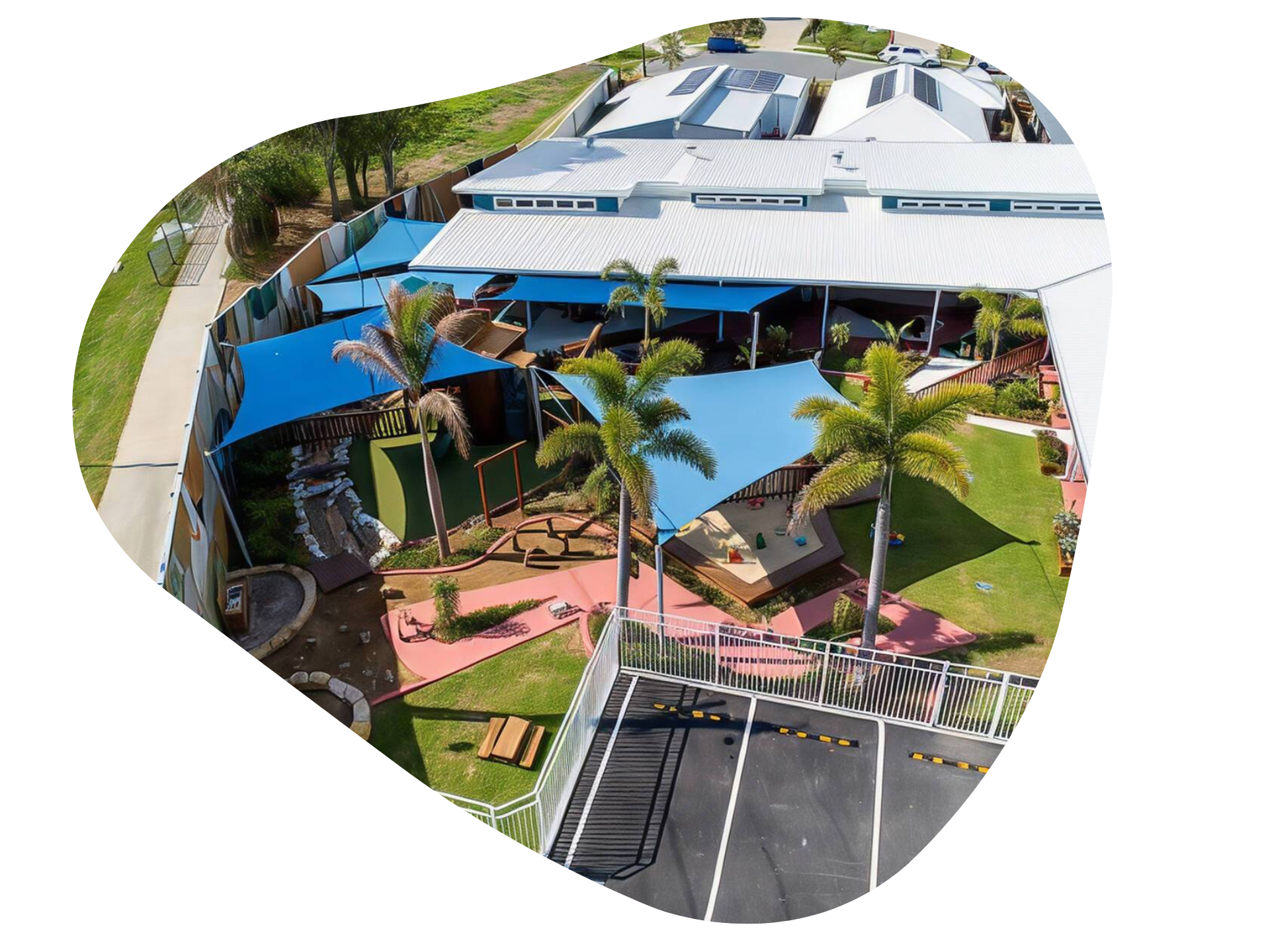
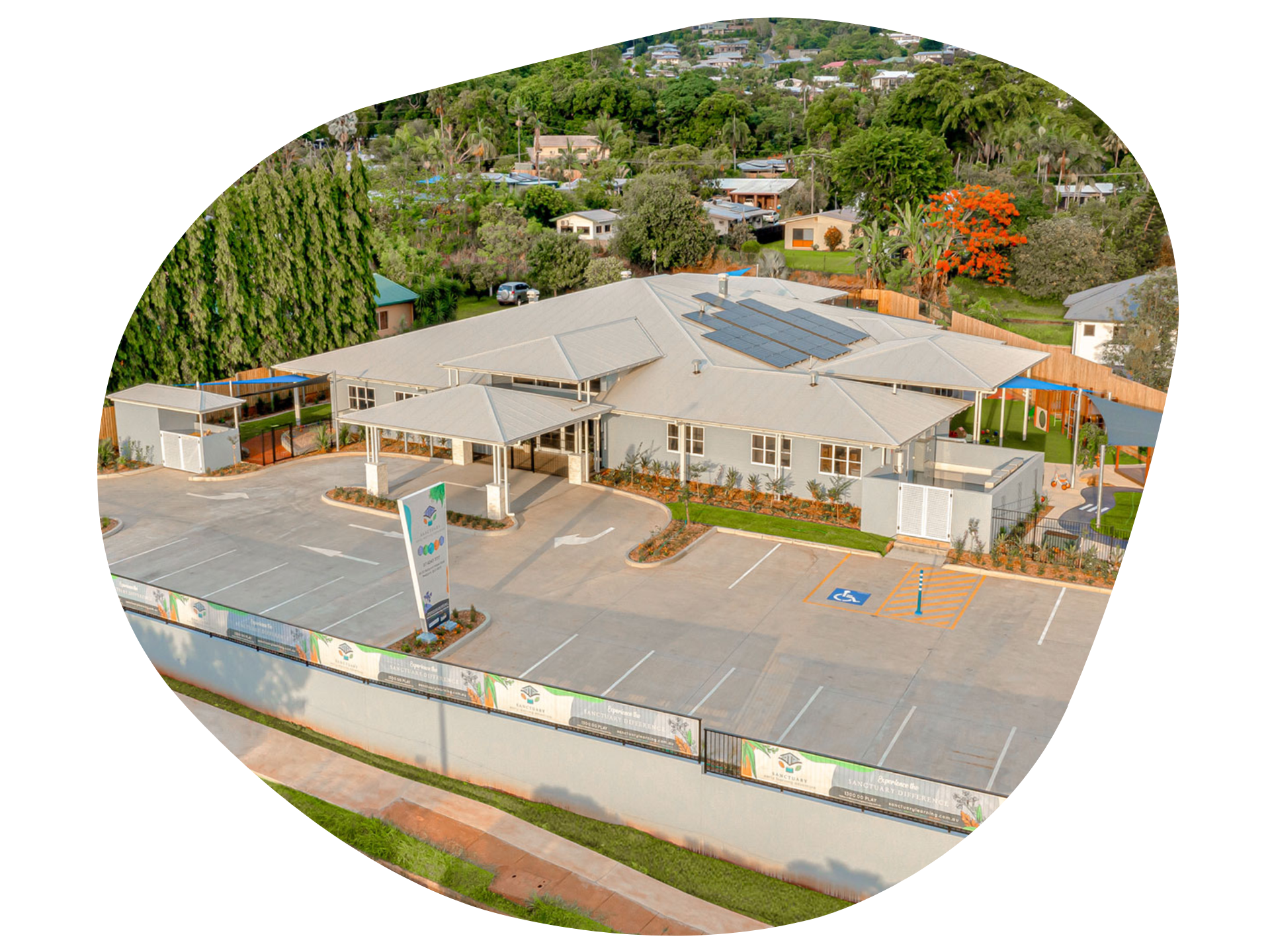
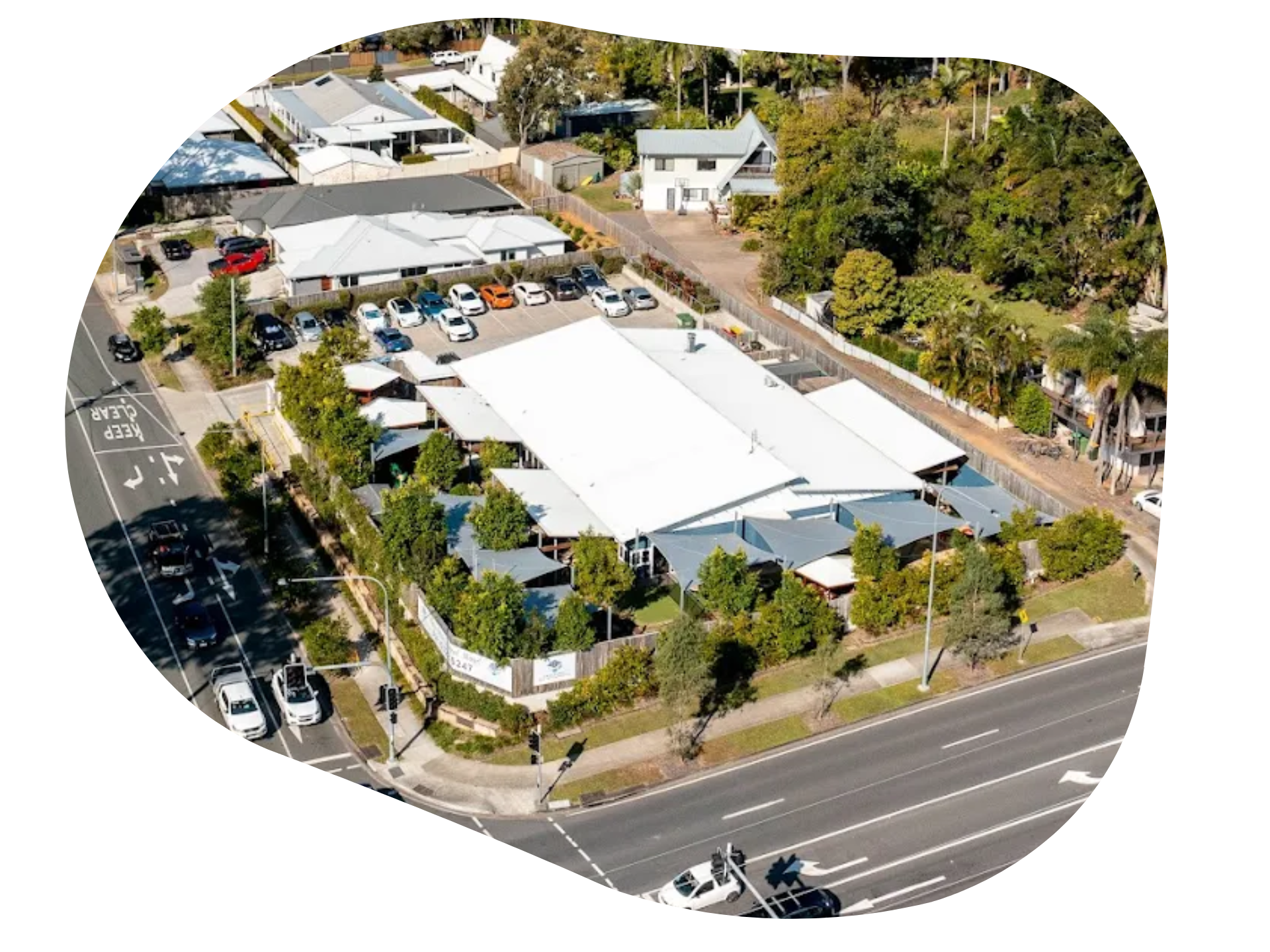
Sanctuary Early Learning Adventure, our thoughtfully designed spaces are filled with natural, sensory-rich materials and authentic resources.
“What children learn does not follow as an automatic result from what is taught, rather, it is in large part due to the children’s own doing, as a consequence of their activities and our resources.” —Loris Malaguzzi, The Hundred Languages of Children
What Are Authentic Resources?
Forget brash plastic gadgets and blinding toy catalogues. Lyndsey Hellyn and Stephanie Bennett, co-founders of The CuriosityApproach, describe authentic resources as “real-life items that… become opportunities for intrigue, play and curiosity”, including “objects or artefacts that no longer serve their purpose within the home”.
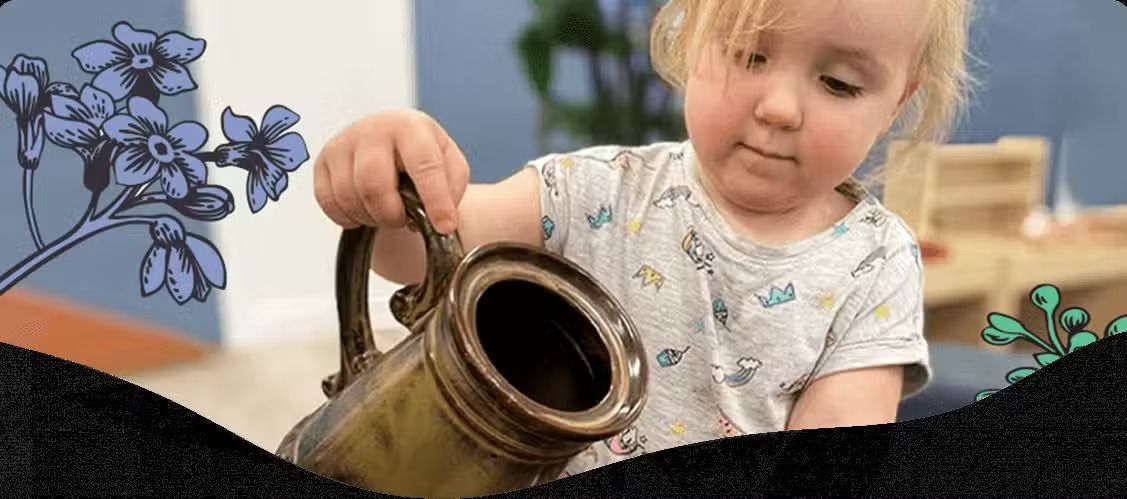
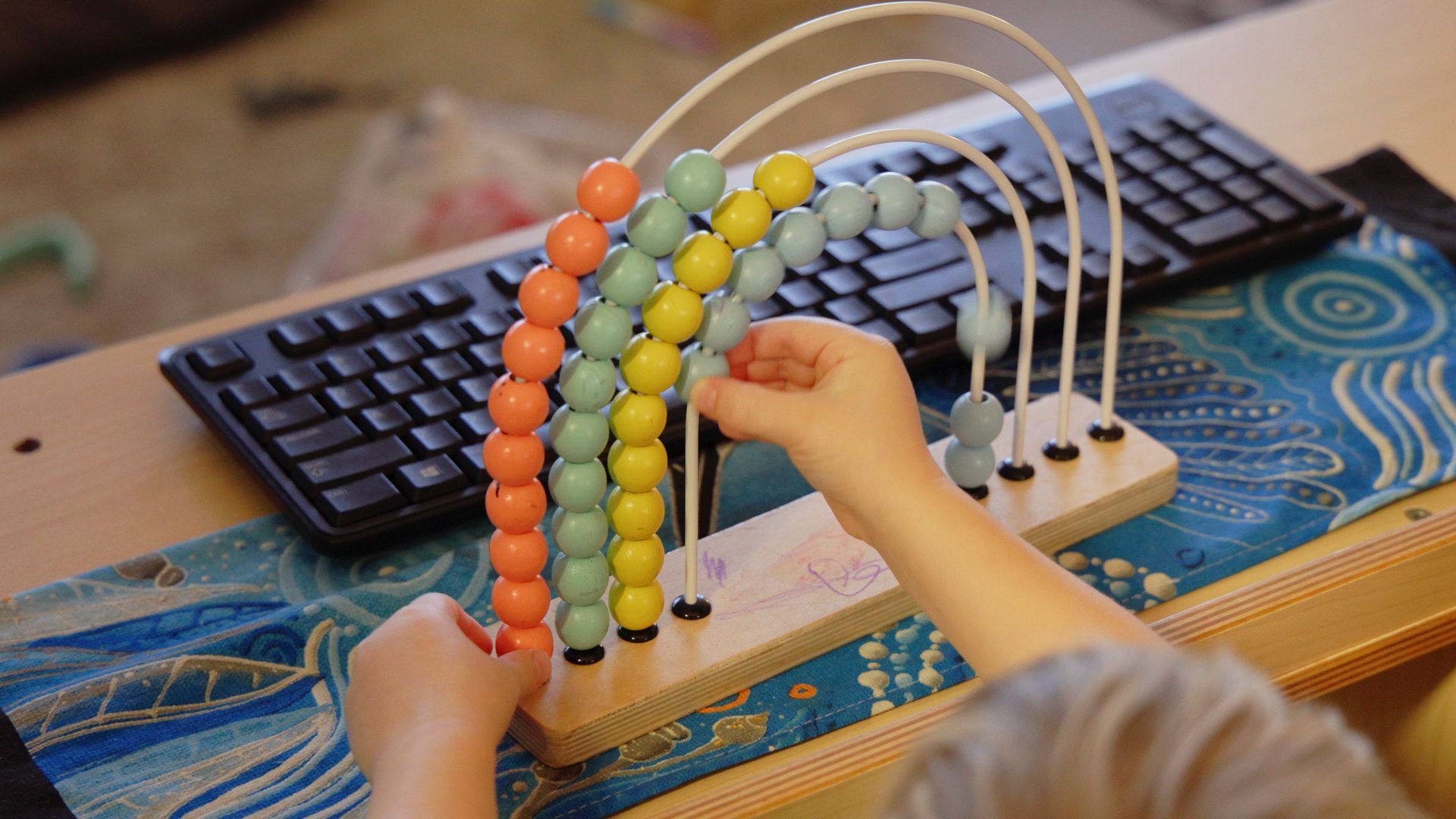
Instead of manufactured, child-size toys, these types of real, everyday resources offer children more meaningful experiences of exploration and discovery. Authentic resources are practical (things children see adults use and would benefit to learn to use themselves), open-ended (materials that can be used in many different ways by children of different ages and capabilities) and reflect diversity (objects linked to families’ cultural backgrounds and history).
Where To Find Them
Be it in your own home or backyard, your local marketor op-shop, authentic resources are everywhere! Some examples include:
Wooden treasures:
- Bowls
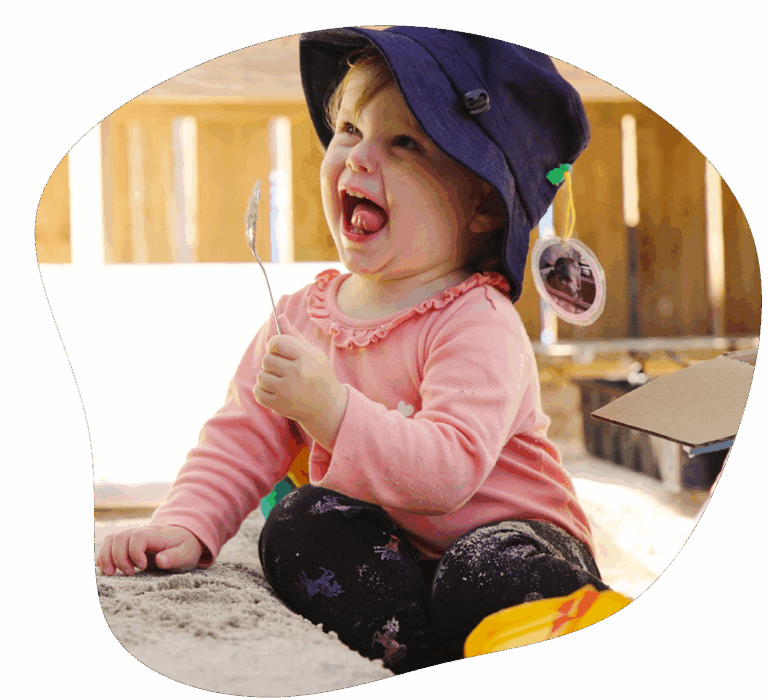
- Spoons
- Trays
- Dishes
- Boxes
- Massage rollers
- Carvings
- Trinket boxes
- Chopping boards
- Plaques
- Wooden carved balls
- Curtain rings
- Coasters
- Woven mats
- Wicker baskets
- Mug trees
- Jewellery pots
Metal & ceramic treasures:
- Teapots
- Milk jugs
- Sugar bowls
- Baking trays and tins
- Muffin trays
- Sieves / Colanders
- Serving dishes
- Ladles
- Spoons
- Potato masher
- Saucepans
- Cake racks
- Eggcups
- Pans
- Tea strainer
- Tongs
- Whisks
- Decorative dishes Plates
- Napkin rings
- Serving spoons
- Bowls
- Bangles
- Jewellery tree stands
Natural treasures:
- Shells
- Rocks and stones
- Branches
- Feathers
- Pinecones
- Flowers
- Leaves
- Wool and other natural fibres
*Always do a risk assessment on each item before giving it to children to explore.
The Benefits Of Using Authentic Resources
Authentic resources provoke interest, nurture children’s appreciation of beauty and engage the senses. Unlike plastic toys, which typically have a set purpose and limited learning outcome, authentic resources often have multiple purposes and provide children with the opportunity to experience a range of textures, size, shape and weights. Supervised play with breakable, real-life items made of glass and ceramic materials is especially valuable because it gives children the chance to learn how to handle items with care and trust their own capabilities. Lastly —and importantly —authentic resources are a sustainable alternative to plastic toys, which may contain harmful metals and chemicals and consume large amounts of energy to manufacture, only to eventually end up in landfill.
Want to read more? Other
Sanctuary articles you’ll love:
Piecing Together Play-How Loose Parts Play Builds New Worlds For Children.
The Importance of Outdoor Play in the Early Years- Providing children opportunities to connect to the natural environment and explore and learn outdoors is a vital, enriching part of every day.
Author: Lauren Hall
Find Sanctuary Early Learning Adventure Ashmore here.
Find Sanctuary Early Learning Adventure Buderim here.
Find Sanctuary Early Learning Adventure - Health & Knowledge Precinct here.
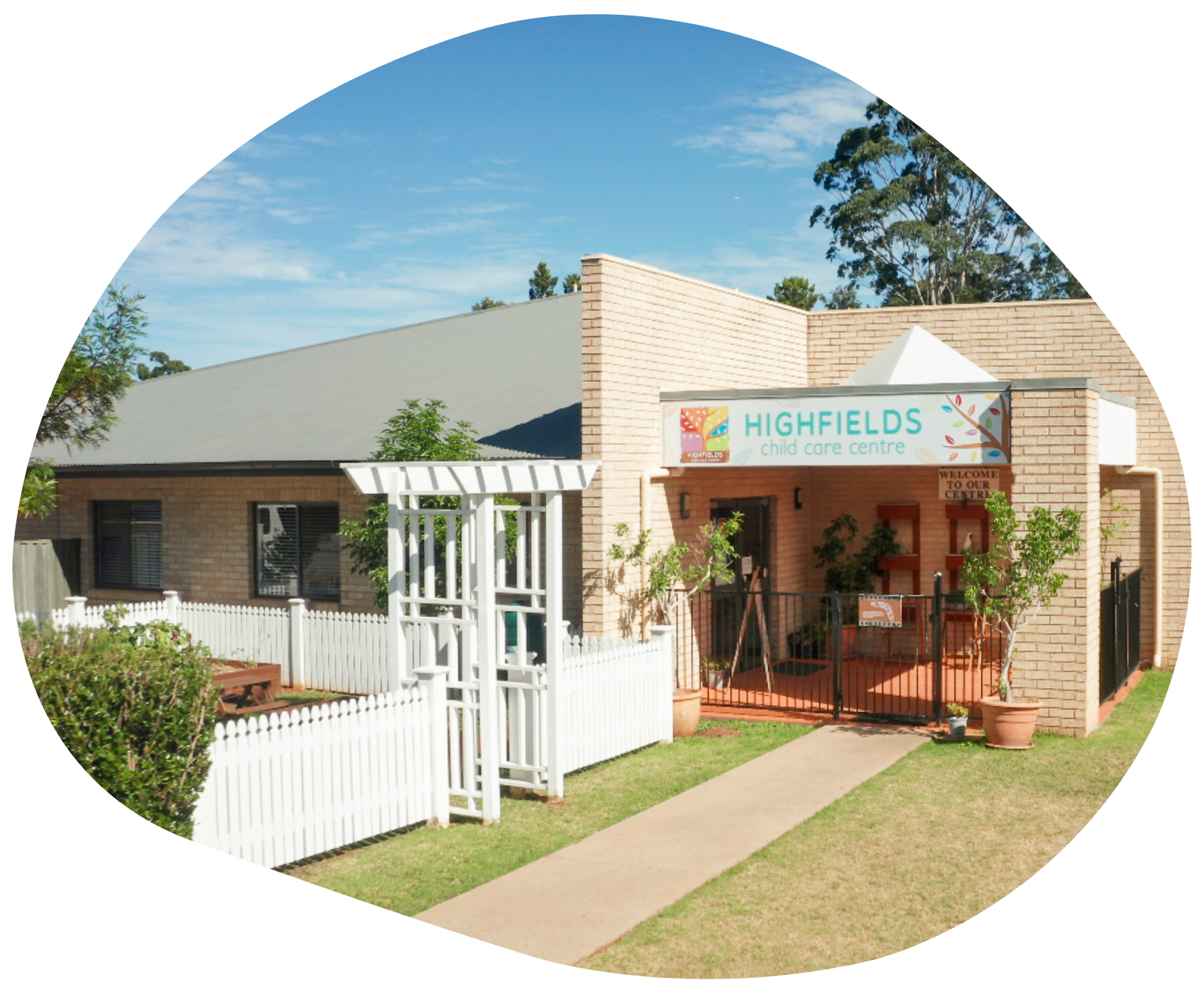
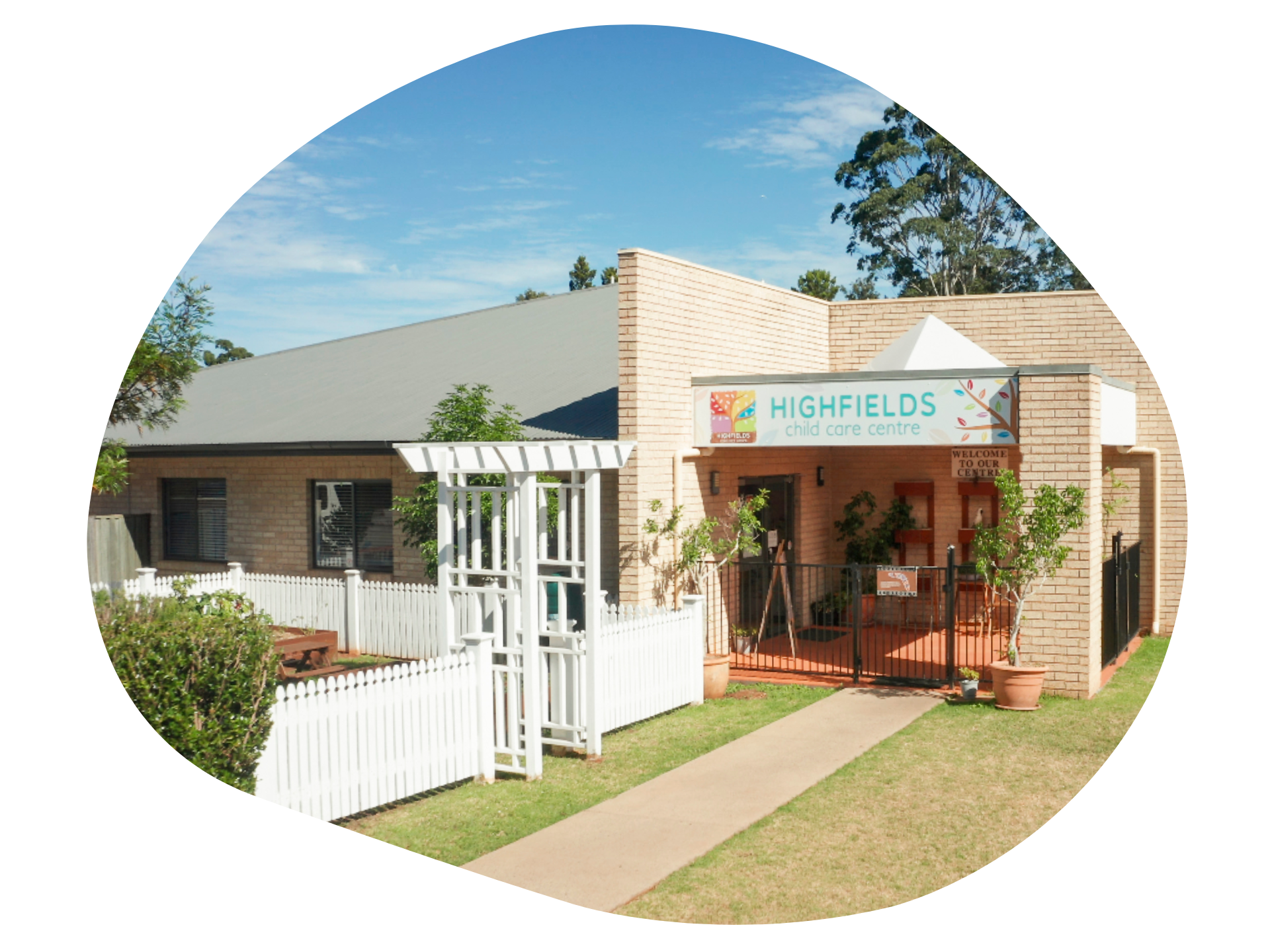
Find Highfields Child Care Centre here.
Find Sanctuary Early Learning Adventure Maudsland here.
Find Sanctuary Early Learning Adventure Redlynch here.