
How music aids cognitive development in children
How does music aid cognitive development in children from zero – five years?
Music is such a wonderful tool for growing young minds, providing children with fun and engaging ways to discover rhythm, language, and self-expression. Research suggests that musical experiences can support memory development, language acquisition, and emotional regulation. Let’s explore how music contributes to cognitive development:
The Cognitive Benefits of Music
During ages zero to five, the brain shows remarkable plasticity, making it highly responsive to learning experiences.
Here’s how music impacts cognitive development in young children:
1. Memory enhancement
One of the most significant ways music aids brain growth is by enhancing memory. The repetitive and melodic nature of songs makes it easier for children to remember and recall information. For instance, melodies help children learn the alphabet or numbers through fun, catchy tunes. When children engage in musical activities, they practice memorisation—a valuable skill that will support them on their learning adventures through life.
2. Language development
The rhythm and repetition in songs facilitate phonetic awareness, which is crucial for reading readiness. As children sing, they also learn about syllables and rhymes, laying the groundwork for effective communication. Music and language go hand in hand; when children sing, they get to hear new words, different sentence structures, and how to pronounce things, all before they even start talking.
3. Emotional regulation
Musical experiences can impact a child’s ability to understand and manage their emotions. By listening to different melodies or participating in musical activities, children learn to associate sounds and rhythms with various feelings. For example, a lively tune might evoke happiness and excitement, while a slow, soft melody can promote calmness and relaxation. This awareness not only allows children to identify their own emotions but also helps them develop empathy for others, as they learn to interpret emotional cues expressed through music. Moreover, engaging in music-making, whether through singing or playing instruments, provides children with an outlet to express emotions that they might not yet have the vocabulary to articulate. This self-expression can be particularly beneficial in moments of frustration or sadness, offering a therapeutic channel for releasing pent-up feelings.
It is important to note though, the relationship between music and emotional regulation develops gradually:
- Infants (0-1): Respond primarily to tempo and volume
- Toddlers (1-3): Begin associating specific songs with emotional states
- Preschoolers (3-5): Can use music more intentionally for emotional regulation
4. Enhanced focus and attention
Jumping into musical activities encourages children to hone their concentration skills, which can help boost their attention spans. When they’re learning to play an instrument or trying to keep up with a beat, they’re juggling a bunch of things at once, like timing, pitch, and harmony. This kind of multitasking can really enhance their brainpower and problem-solving abilities. Plus, children who dive into music often find that they can focus for longer periods. Whether they’re singing in a group or playing in a band, they’re learning how to work together and really listen to each other, which gets them to pay attention not just to the music but also to their friends.
5. Social development
Music often provides a unique platform for social interaction among young children. Participating in musical activities allows children to connect with their peers, fostering relationships and collaborative experiences. Whether they are engaging in group singing, circle games, or playing instruments together, children learn important social skills such as sharing, taking turns, and cooperating with others.
Through music, children also develop communication skills. Lyrics and melodies often become shared experiences that can spark conversations among friends, helping them negotiate and express thoughts and feelings. For example, singing a song together may lead to discussions about its meaning or the emotions it evokes, enhancing language skills and vocabulary.
In group settings, like music classes or community events, children learn to respect differences in abilities and styles, as every child brings their unique contribution to the musical experience. This acceptance fosters an inclusive environment, promoting confidence and self-esteem as children learn to express themselves in a safe and nurturing environment.
6. Parental involvement
Parental involvement plays an essential role in the musical development of young children. When parents engage in musical activities alongside their children, they foster a strong emotional bond, which enhances both learning and enjoyment. Simply singing nursery rhymes or playing music can create a shared experience filled with joy and laughter, laying the groundwork for healthy emotional development.
Moreover, when parents are involved in their child’s musical journey—whether it is through attending music classes, playing instruments, or exposing them to diverse musical genres—they become role models that encourage curiosity and exploration. This involvement not only reinforces the relationship between parent and child but also demonstrates the importance of music in everyday life, allowing children to appreciate its value and integrate it into their daily routines.
Parents can also nurture their child’s interest in music by incorporating it into daily activities. For instance, using songs for routine tasks (like singing while bathing or cleaning up) helps children associate music with positive experiences. This constant exposure encourages a love for music that can continue throughout their lives, further enriching their cognitive and emotional growth.
7. Music and emotional development
Music has a profound impact on emotional development, especially in the formative years. Young children are naturally attracted to music, and its rhythmic qualities can evoke a range of feelings. As children listen to or participate in musical activities, they experience and express emotions, leading to better emotional regulation overall.
Songs with diverse themes—from happiness to sadness—allow children to identify and articulate their feelings. For example, playing a soothing lullaby can instil a sense of calm, whereas an upbeat children’s song may evoke joy and energy. This emotional awareness is crucial as children begin to develop empathy and understanding of their own emotions and those of others.
Furthermore, music can serve as a tool for emotional expression. Instruments provide children with a creative outlet to convey their feelings. Whether banging on a drum in excitement or strumming a guitar in contemplation, children learn to express complex emotions in a constructive way, leading to a well-rounded emotional landscape.
Further Activities for Parents to Complement Music at Home
To create a rich musical environment at home, parents can engage their children in various activities that not only enhance their musical experience but also promote overall development.
Engaging children with musical exploration
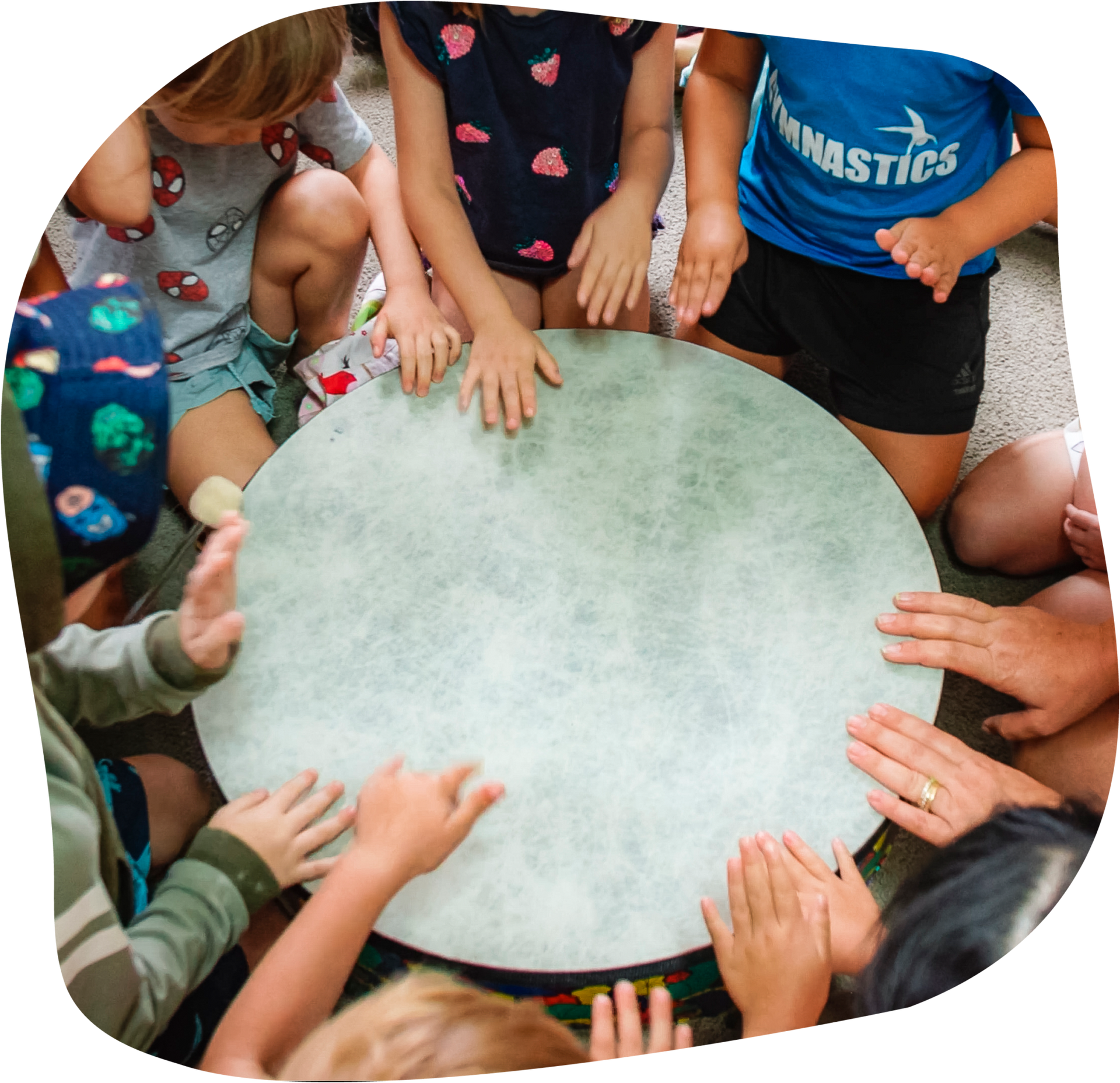
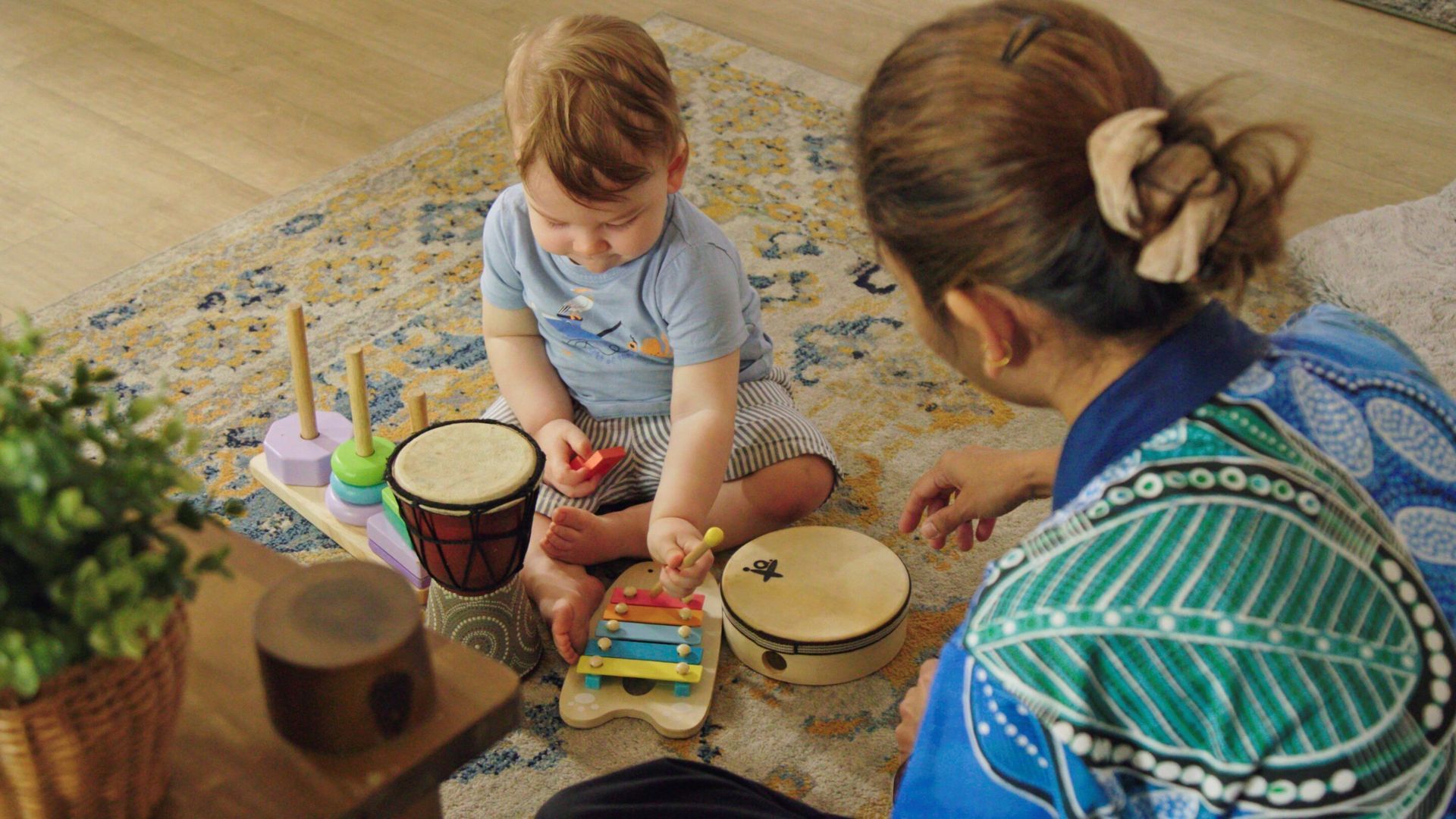
Parents can enhance their child’s musical experience by encouraging instrument exploration, even without the necessity of purchasing them. DIY instruments can be created from household items; for example, shakers can be made using rice-filled containers, while pots or pans can serve as makeshift drums. Simple string instruments can be constructed with rubber bands stretched over boxes. This hands-on exploration not only introduces children to various sounds but also fosters imagination and creativity on how to use every day items as musical instruments.
Integrating music with movement and storytelling
Incorporating movement into musical activities can greatly improve a child’s coordination and rhythm. Hosting a dance party featuring diverse genres can allow children to express themselves physically, and let’s be honest – who doesn’t love dancing around their lounge room?!
Moreover, combining storytelling with music enhances creativity and language skills. Parents can choose books that incorporate songs or rhythmic patterns, or even create stories filled with sound effects to make reading an interactive experience.
Creating a rich musical family environment
Parents can cultivate a vibrant musical atmosphere at home by regularly engaging in activities like singing together, crafting music-themed artworks, and organising family talent shows. Singing different songs, including those in various languages, helps introduce diversity while encouraging creativity and self-expression.
Music at Sanctuary Early Learning Adventure
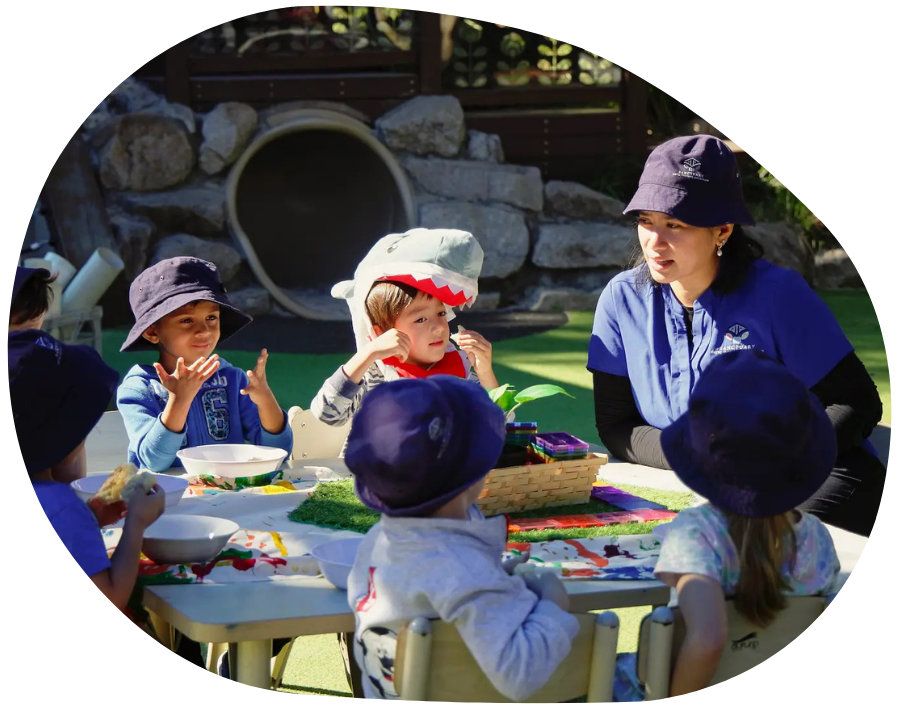
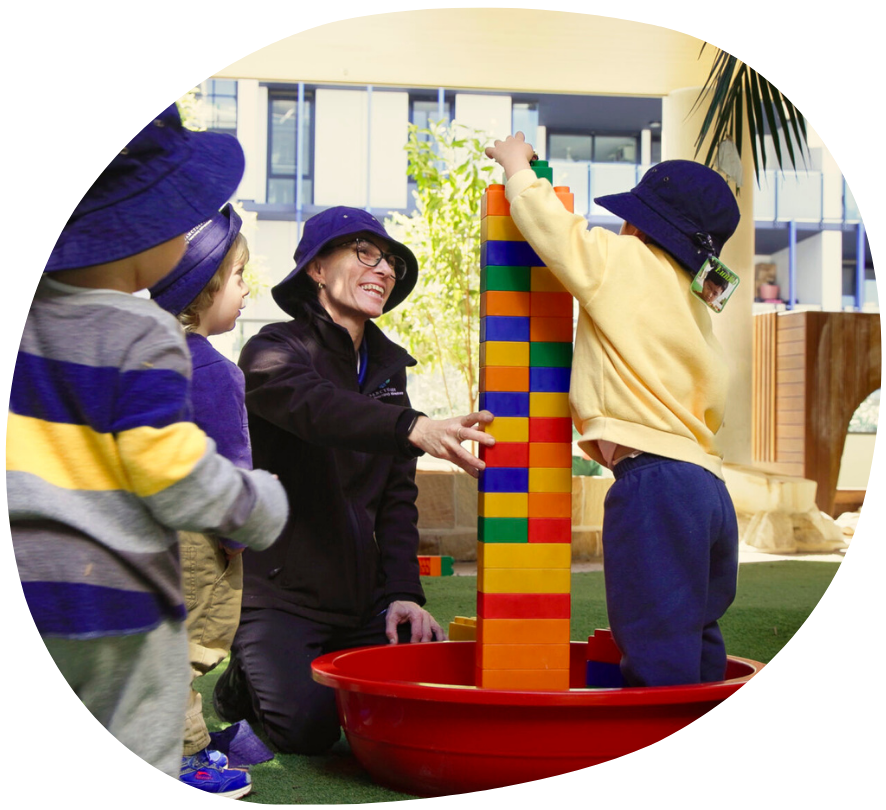
At Sanctuary Early Learning Adventure, music is seamlessly integrated into the curriculum to enhance child development and foster a love for music from an early age. Educators incorporate a variety of musical activities, such as singing, dancing, and playing instruments, to stimulate cognitive, social, and emotional growth. Regular sing-alongs and rhythmic play not only engage children but also encourage participation and self-expression.
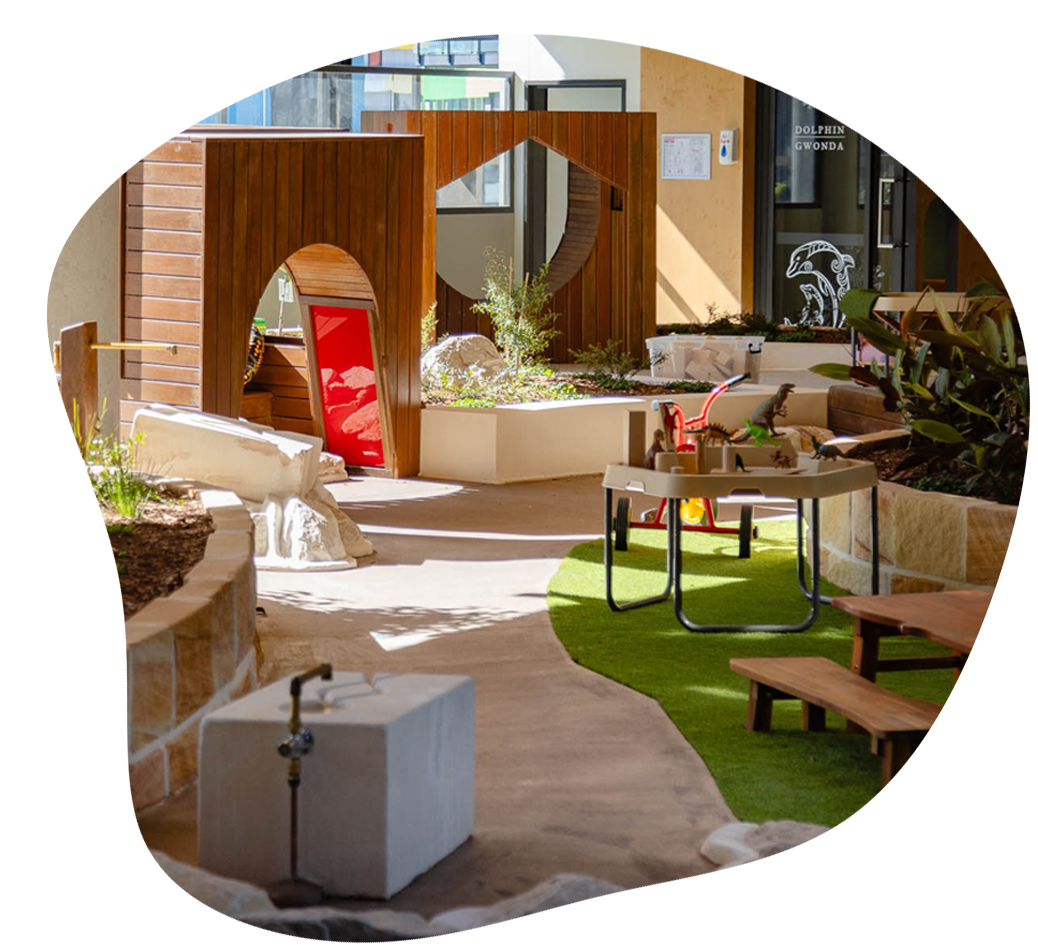
By creating dedicated musical spaces and providing diverse musical experiences, Sanctuary ensures that children can explore the joys of music while developing essential skills, all within a nurturing and creatively designed environment.
Conclusion
In conclusion, music is not just a source of entertainment for young children; it is a vital tool for cognitive, social, and emotional development. From enhancing language skills and boosting memory to fostering social interaction and encouraging emotional expression, the influence of music in the early years is unparalleled.
As parents, caregivers, and educators, embracing music in our daily interactions with children is essential. By incorporating music into learning experiences and nurturing a love for musical exploration, we can support the healthy brain growth of children aged zero to five, ultimately shaping them into well-rounded individuals prepared to engage with the world around them.
Find Sanctuary Early Learning Adventure Ashmore here.
Find Sanctuary Early Learning Adventure Buderim here.
Find Sanctuary Early Learning Adventure - Health & Knowledge Precinct here.
Find Highfields Child Care Centre here.
Find Sanctuary Early Learning Adventure Maudsland here.
Recent Articles From Sanctuary