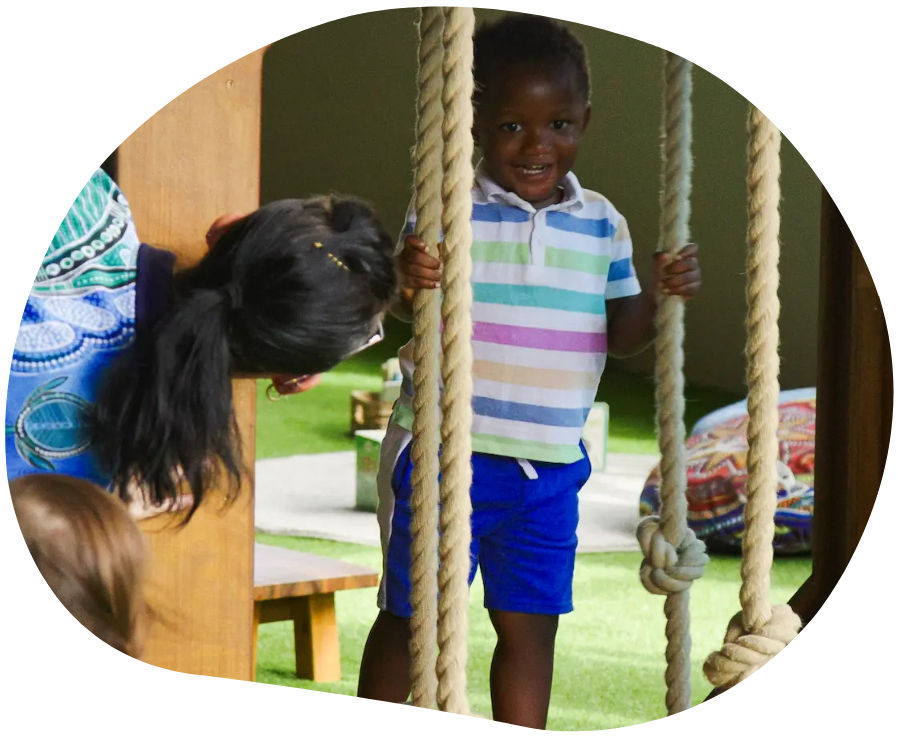
Creating moments of connection, joy, and learning at home doesn’t need to feel complicated. Children are naturally curious, constantly discovering the world around them, and the experiences you offer at home can play a powerful role in shaping their confidence, creativity, and love of learning.
Just as we do at Sanctuary, the aim isn’t to create a “perfect program” — it’s about designing simple, meaningful opportunities that help your child feel safe, engaged, and inspired.
As your child’s first teacher, you hold an incredibly important role. The activities you choose, the environment you set, and the time you spend exploring together all contribute to the foundations your child carries into early learning and beyond.
Why Activities at Home Matters
Intentional play at home creates beautiful opportunities for connection and learning. It strengthens what children experience in their early learning centre and allows them to explore at their own pace in a familiar space.
Thoughtfully chosen activities can support your child by:
- Encouraging Creativity & Problem-Solving – Open-ended play nurtures imagination, flexible thinking, and confidence to try new things.
- Supporting Social & Emotional Growth – Play with family members builds trust, communication skills, empathy, and teamwork.
- Strengthening Motor Skills – Hands-on, movement-based play helps develop coordination, control, and physical confidence.
- Developing Routine & Structure – Gentle rhythms throughout the day help children feel secure and ready to explore.
- Bridging Learning Between Home & Care – Familiar experiences help children connect concepts from their early learning environment to home life.
The National Quality Standard (NQS) highlights that children thrive when they experience consistent, supportive environments — both at home and in care.
Choosing the right activities for your child
No two children learn in the same way. Understanding your child’s interests and developmental stage can help you choose activities that feel fun, meaningful, and achievable.
Follow Your Child's Curiosity
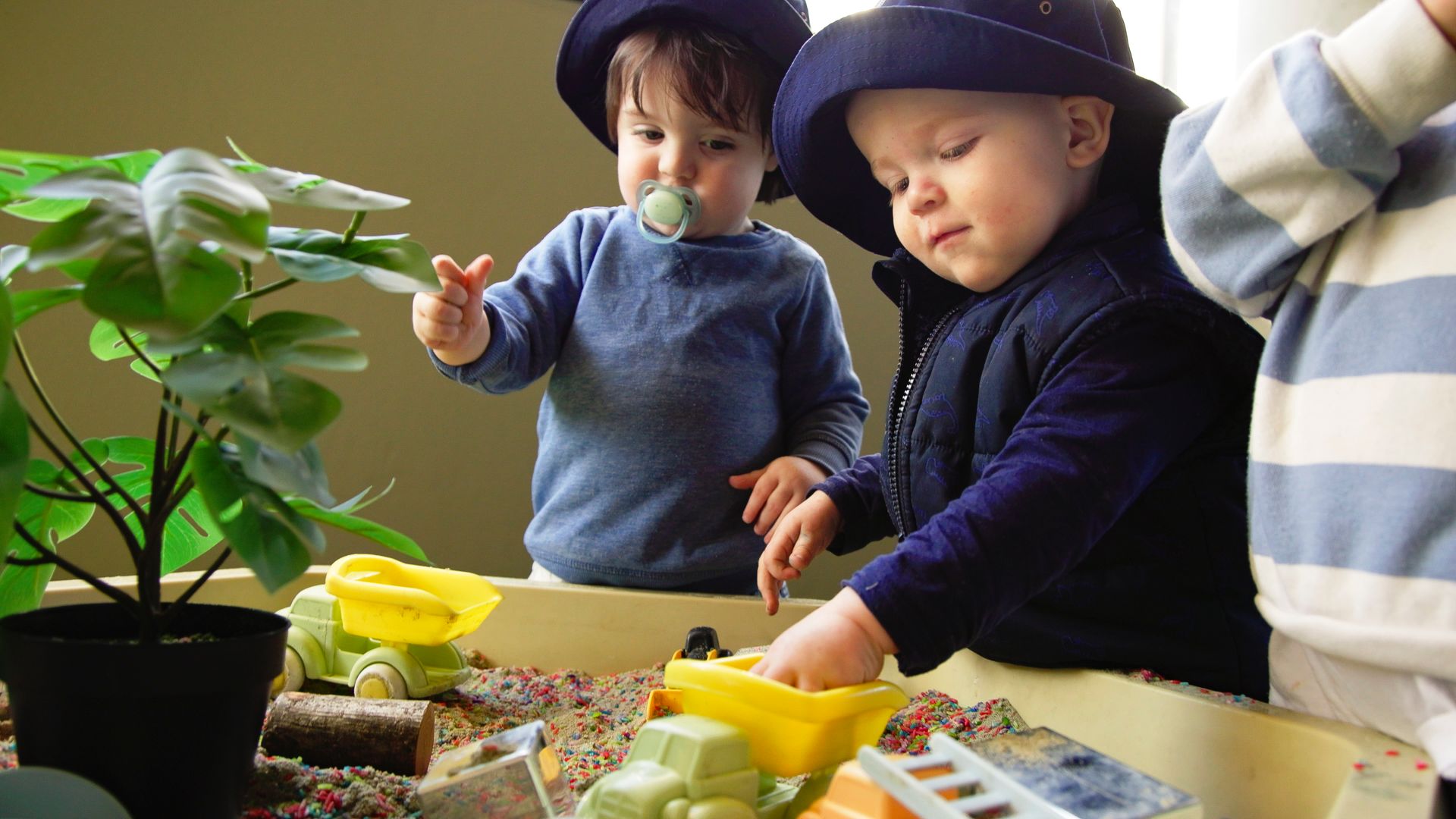
Watch what your child gravitates toward naturally. Some children love to build, others enjoy imaginative worlds, and some delight in messy, sensory experiences. Activities that align with your child’s interests will almost always lead to deeper engagement and joy.
Consider their developmental needs
Children grow rapidly in the early years, and different activities support different stages:
- Toddlers (1–3 years): Sensory play, stacking, simple puzzles, and exploring textures support motor skills and emerging independence.
- Preschoolers (3–5 years): Pretend play, storytelling, and arts and crafts strengthen language, creativity, and problem-solving.
- School-age (5+ years): STEM explorations, experiments, early cooking, board games, and writing activities help extend logical thinking and self-expression.
Balancing Independent & Guided Play
While structured activities provide learning opportunities, children may also benefit from unstructured play, where they can explore independently. A balance between the two can help ensure both guided learning and self-discovery.
Indoor vs. Outdoor Play
Nature offers endless opportunities for learning — from movement to mindfulness. Pairing indoor creative activities with outdoor adventures helps create a balanced, holistic experience.
How to Plan & Implement Activities at Home
Establish a gentle routine
Predictable rhythms help children feel safe and ready to learn. You might choose a simple structure, such as:
- Morning: Sensory play or a favourite story
- Midday: Outdoor play or movement activity
- Afternoon: Art, craft, or hands-on exploration
Flexibility matters – while structure helps, it’s also important to allow space for spontaneous play. If your child is deeply engrossed in an activity, let their curiosity lead.
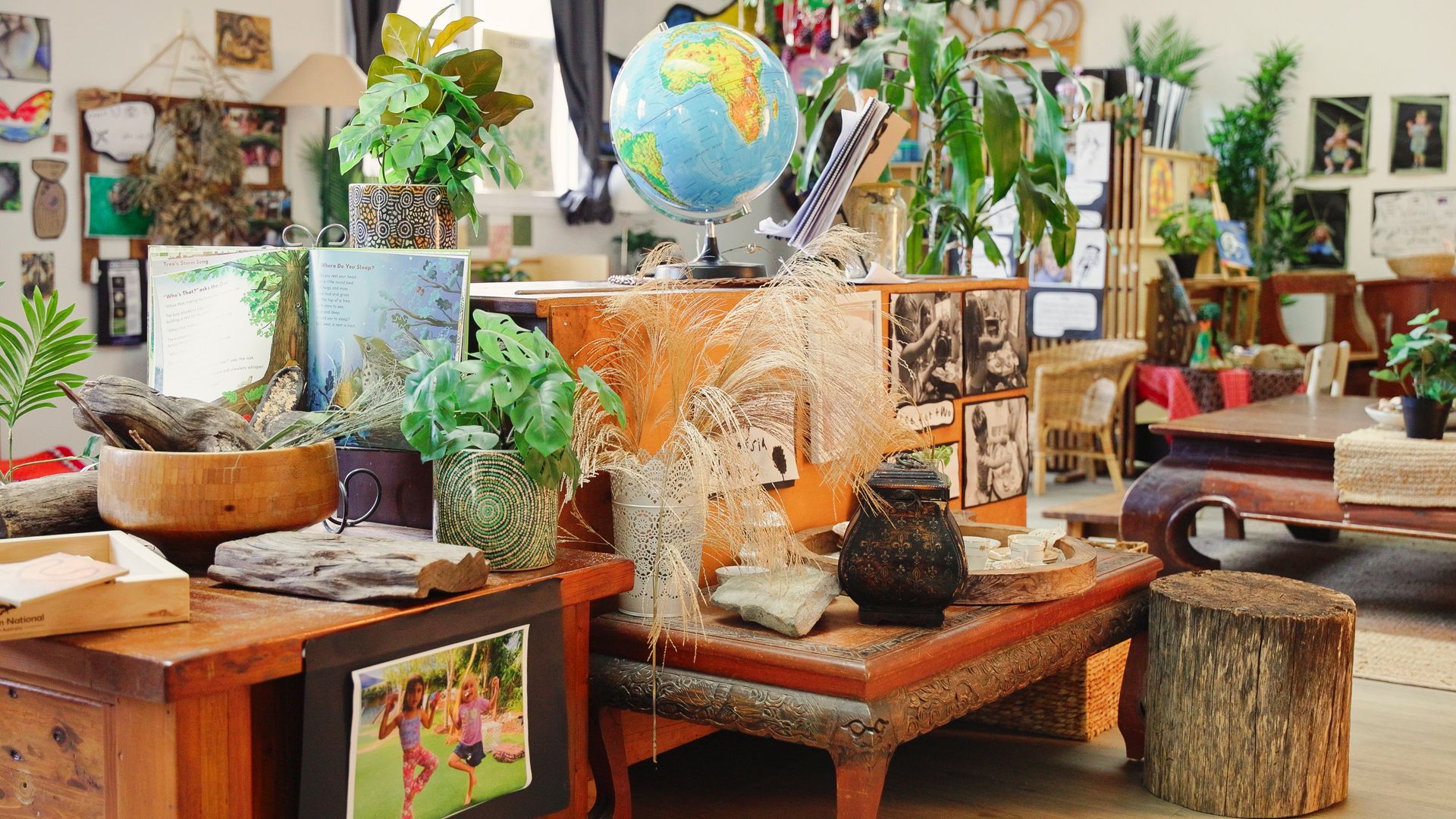
Create an inviting learning space
A calm, thoughtfully arranged play area supports focus and creativity.
You might consider:
- A dedicated spot for play, free from clutter
- Open, accessible shelves so children can choose materials independently
- Natural or open-ended items—wooden blocks, shells, fabric pieces, recycled materials — that invite creativity and imagination
Use household items as learning tools
You don’t need specialised resources to create meaningful learning opportunities.
Try using:
- Cardboard boxes for building and imaginary worlds
- Kitchen tools for scooping, pouring, mixing, and maths-based play
- Recycled materials for creating, constructing, and inventing
These everyday resources help children see learning everywhere in their world.
Encourage play-based learning
Play is at the heart of early childhood development — and at the heart of Sanctuary’s philosophy.
Some simple ideas include:
- Storytelling or puppet play for language, confidence, and creativity
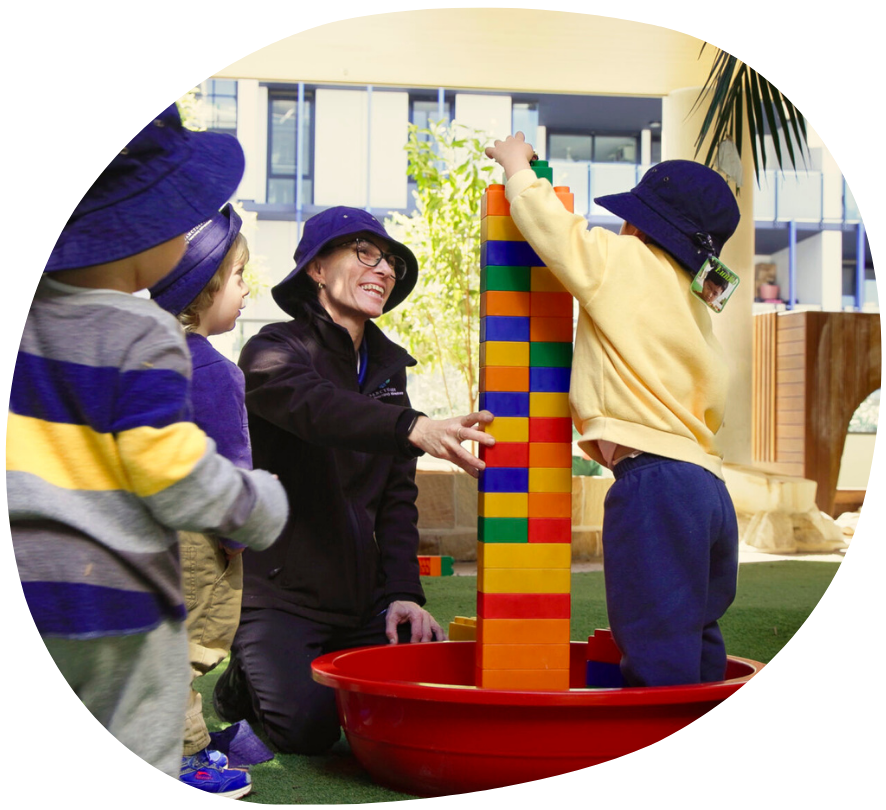
- Building and construction for problem-solving and fine motor development
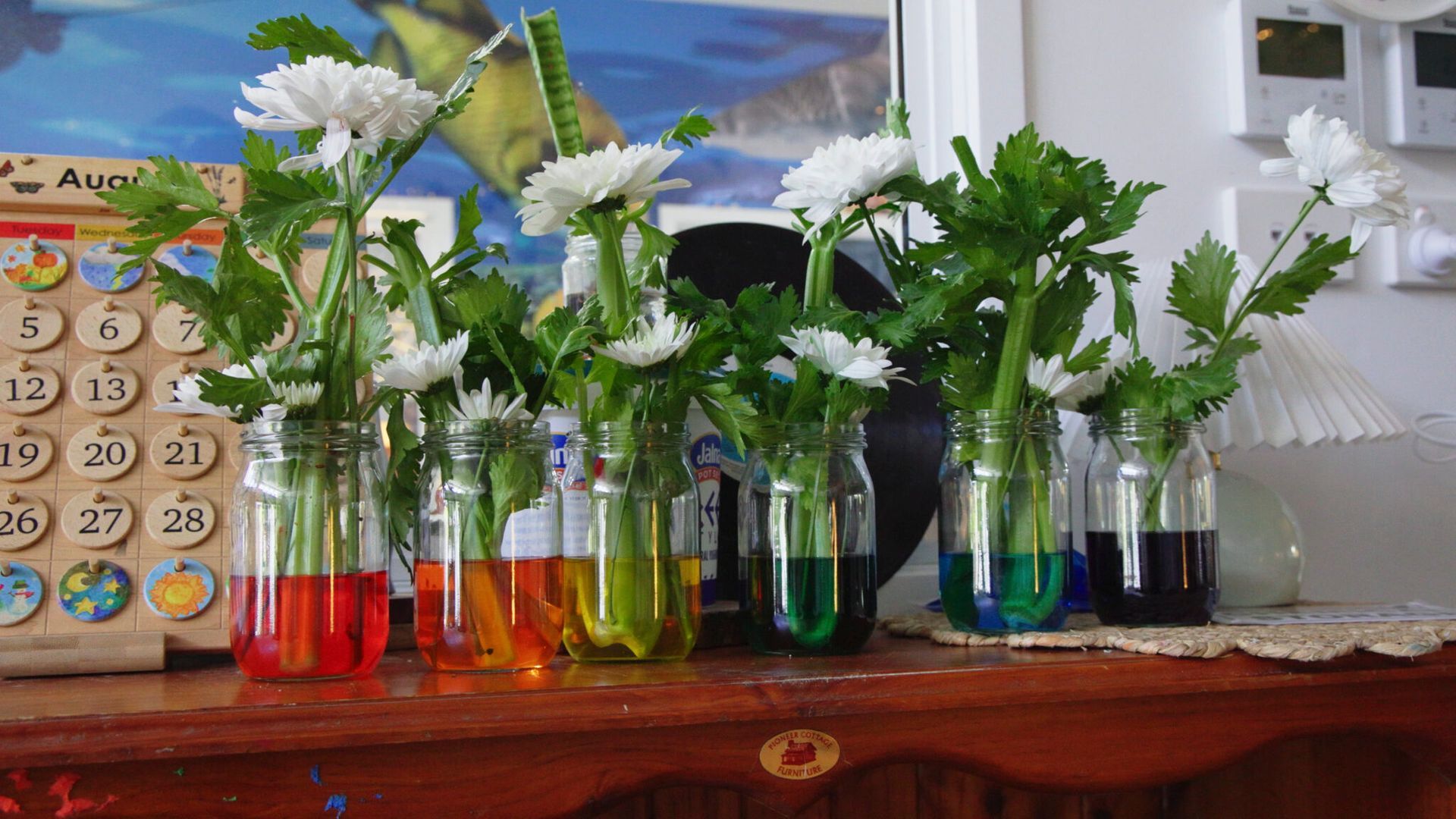
- Cooking together for maths, science, and sensory exploration
- Outdoor nature hunts to build environmental awareness and spark wonder
Foster Independence and choice
Offering small choices empowers children. You might ask:
- “Would you like to paint or build with blocks?”
- “Would you prefer to start outside or inside today?”
These small decisions help children feel capable, respected, and confident.
Engage together - then step back
Children treasure time spent playing and learning with their family. Join them for stories, craft, pretend play, or construction — but also allow pockets of independent exploration where they can lead, discover, and create in their own way.
Stay flexible and follow their lead
Not every activity will land perfectly — and that’s okay. Some children move quickly between activities, while others want to stay immersed for long stretches. The goal is to follow their cues and adapt as needed.
Creating a Holistic Learning Environment at Home
A beautiful mix of activities supports children’s whole development:
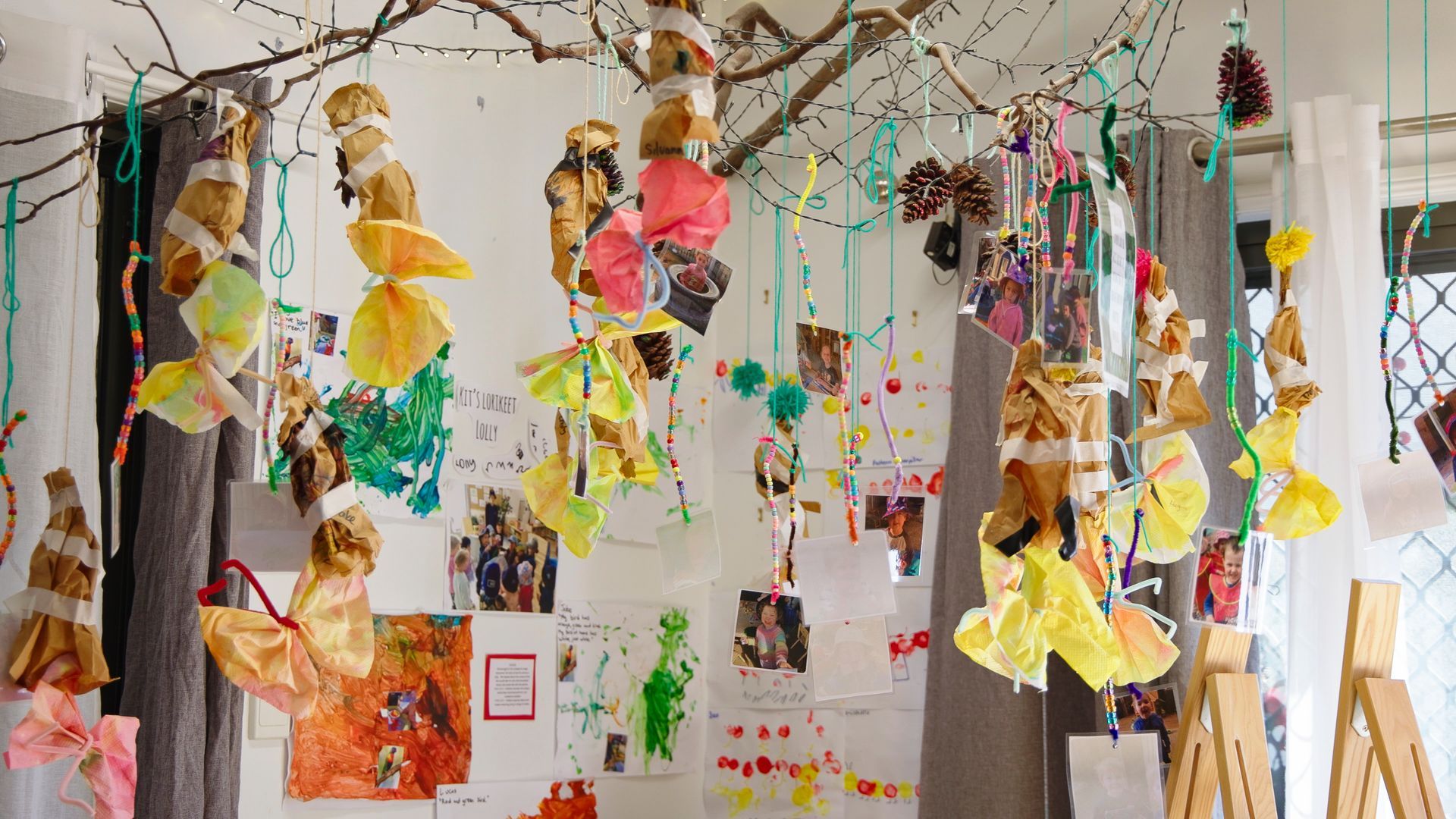
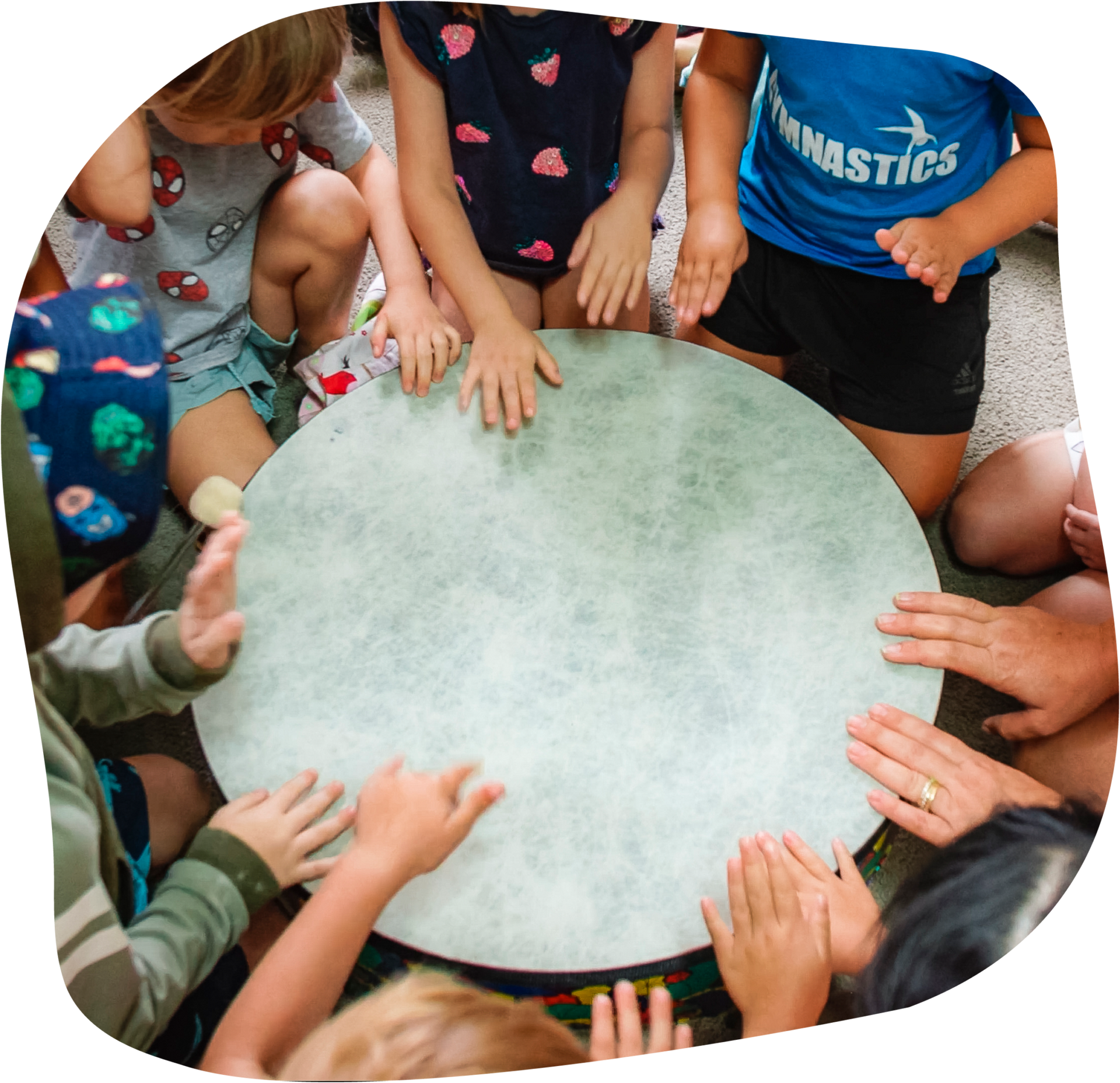
- Creative: Art, music, imaginative play
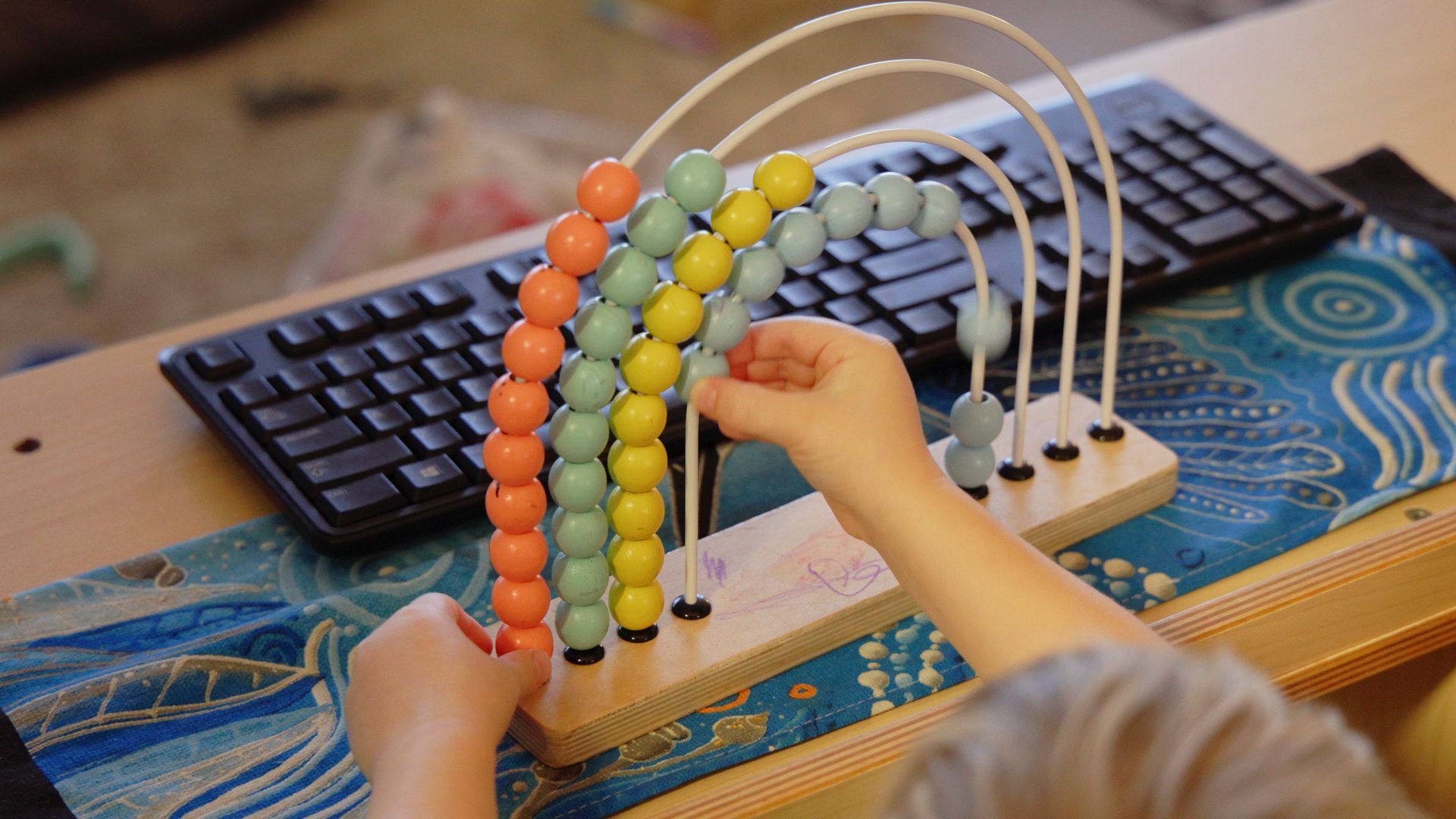
- Cognitive: Puzzles, sorting, counting, early STEM
- Physical: Dancing, climbing, obstacle courses, outdoor exploration
- Social & Emotional: Role play, group games, shared storytelling
Together, these experiences nurture confident, capable, curious learners.
Embedding Cultural responsiveness and connection to country
Supporting children to connect with culture, community, and Country helps build respect, identity, and belonging — values deeply embedded in Sanctuary’s philosophy.
Ways to invite Aboriginal and Torres Strait Islander perspectives into home learning include:
- Reading books by Aboriginal and Torres Strait Islander storytellers
- Learning about the Traditional Owners of your local area
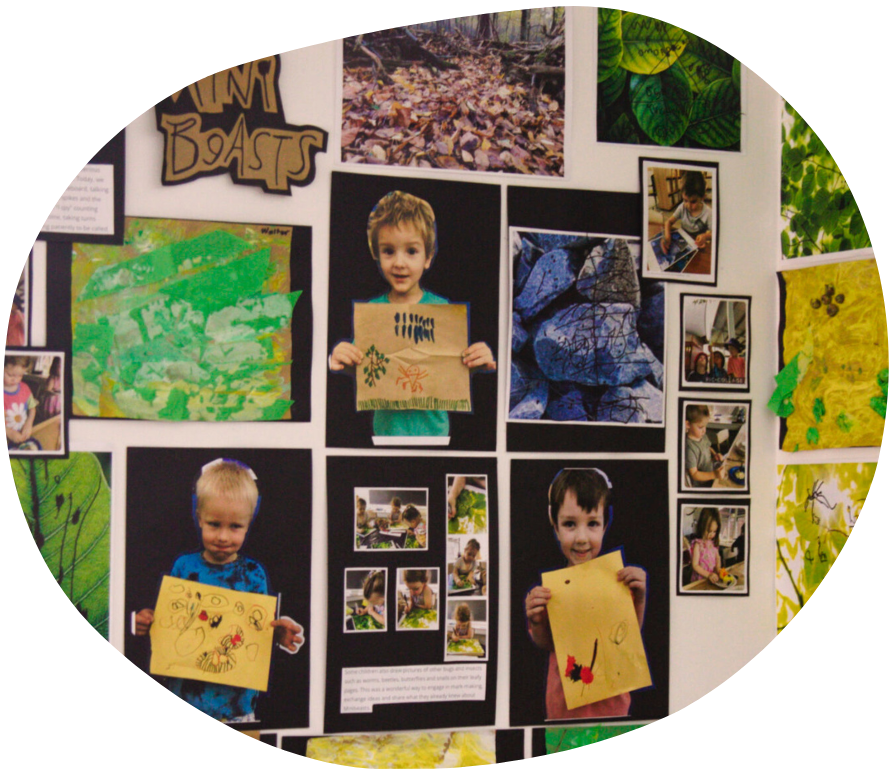
- Using natural materials (shells, stones, leaves) in play and craft
- Exploring nature with curiosity and care
- Acknowledging dates like NAIDOC Week
- Learning simple words from local languages
These practices help children develop respect, understanding, and pride in the country they live and learn on.
Encouraging Lifelong Learning Habits
Setting activities at home is about much more than filling time — it’s about nurturing a lifelong love of learning. Through meaningful play, exploration, and shared experiences, you’re helping your child build the foundations for resilience, independence, and curiosity.
At Sanctuary Early Learning Adventure, we’re committed to supporting families in creating environments where children feel safe, connected, and inspired. You can learn more about our play-based philosophy and approach to early learning here.