The Role Of Socialisation In Early Learning At Childcare

Sanctuary Early Learning • July 18, 2024

Understanding the role of socialisation in the formative years of children’s lives reveals how essential quality childcare settings are. Socialisation isn’t just about making friends—it’s a complex, vital process where young learners gain emotional intelligence, empathy, problem-solving skills and much more. Within the nurturing environment of a childcare centre, these interactions aren’t left to chance. This blog explores how various activities can foster socialisation and outlines the profound benefits these interactions offer.


Embracing Diversity Through Play


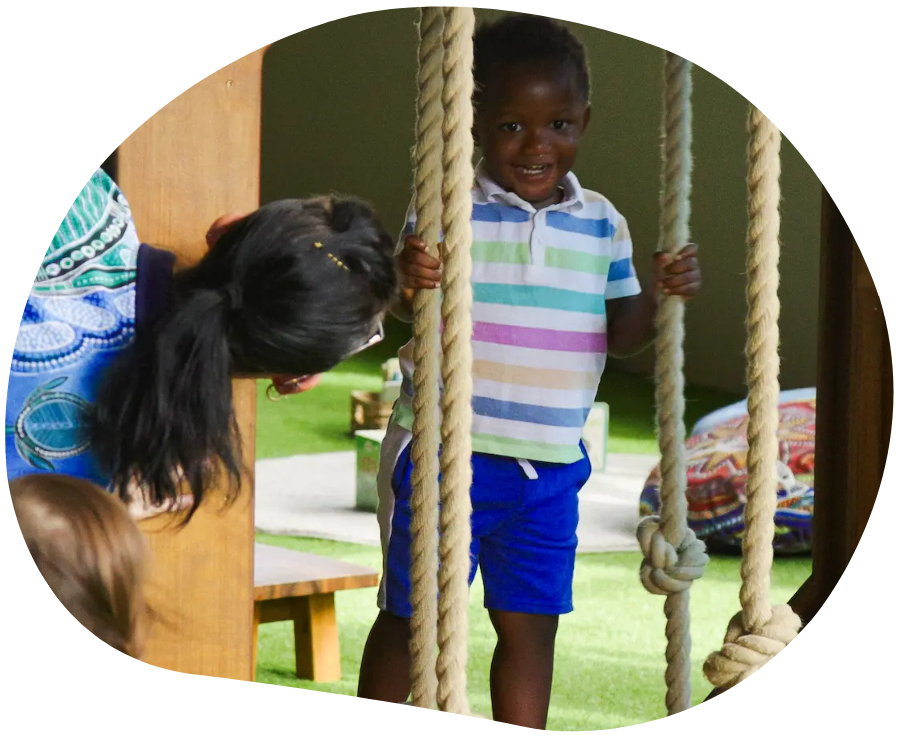
Diverse play settings in childcare are essential for fostering social learning and understanding among children from different backgrounds.


Here’s how:


  • Multicultural Activities: Incorporating games, music and stories from various cultures to promote appreciation and understanding.
  • Inclusive Play Areas: Creating spaces where children of all abilities can play together, fostering empathy and inclusivity.
  • Group Art Projects: Encouraging collaborative art projects that allow children to express themselves and appreciate others’ perspectives.
  • Language Learning Games: Introducing basic words and phrases from different languages through fun activities.


Benefits:


  • Children learn to respect and appreciate cultural differences.
  • Exposure to diverse languages and expressions broadens communication abilities.
  • Inclusive activities create a sense of belonging and community.


Building Social Skills with Structured Group Activities


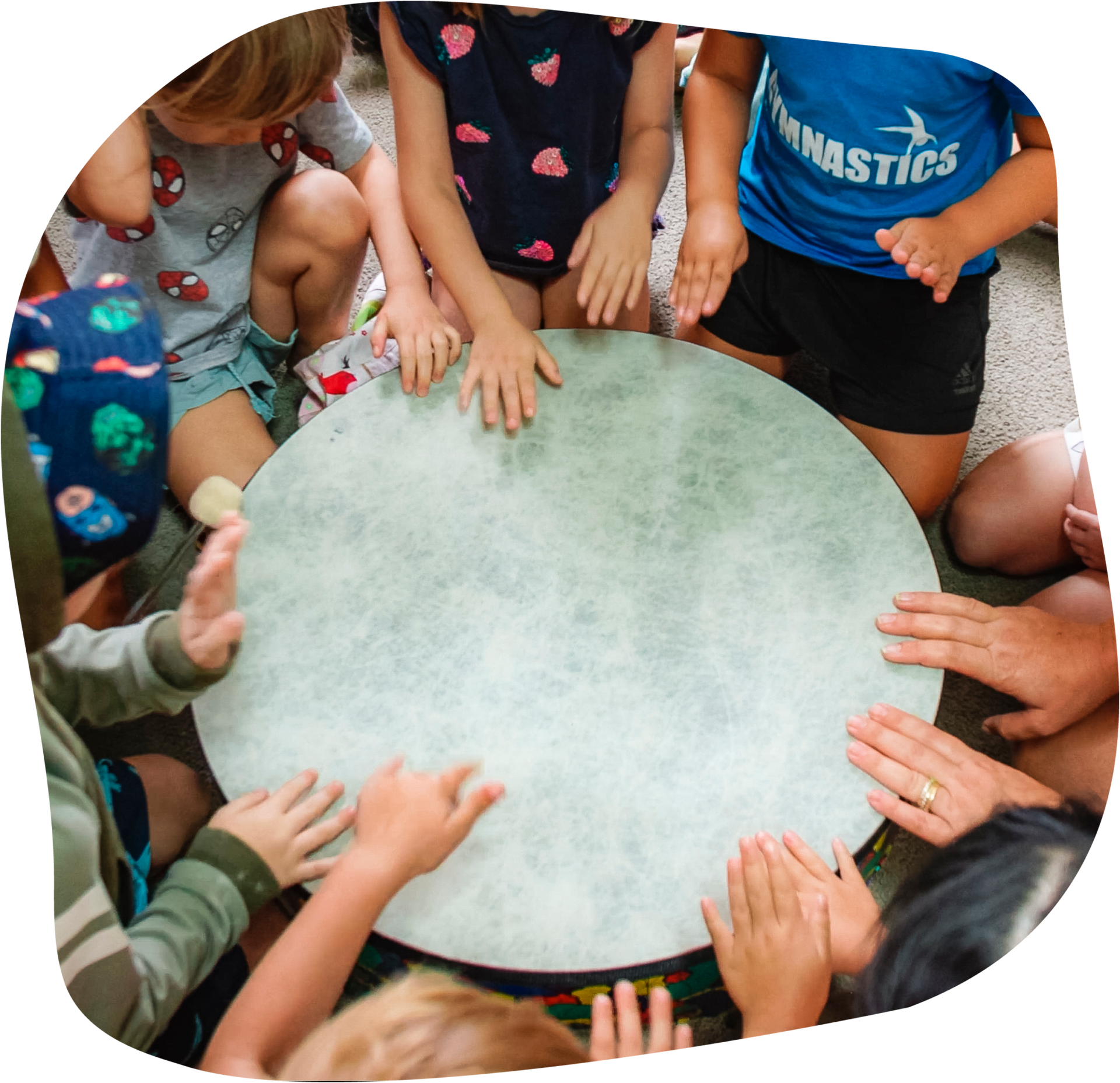
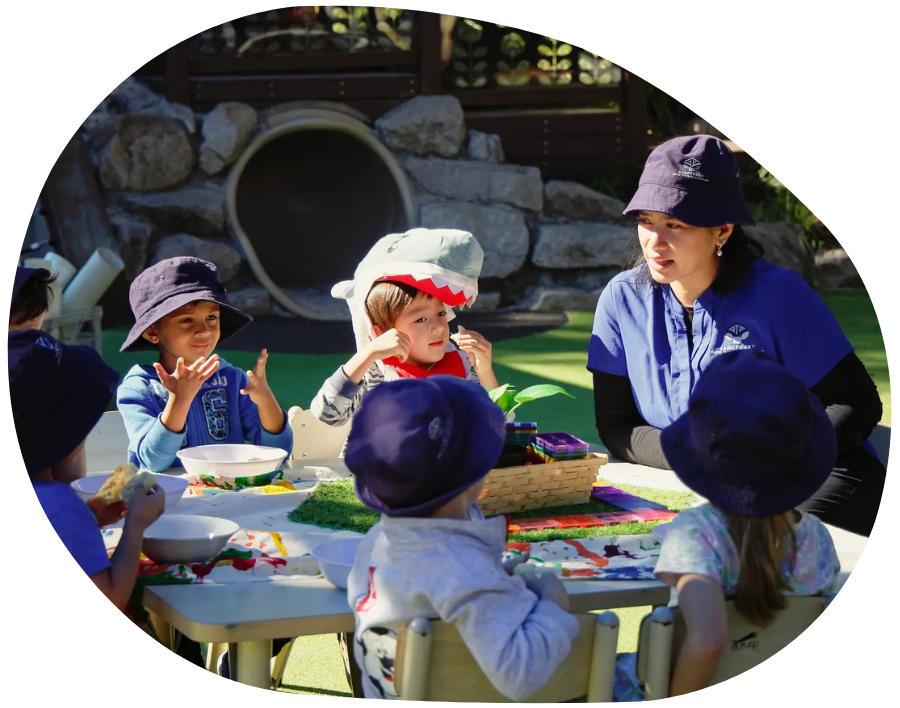
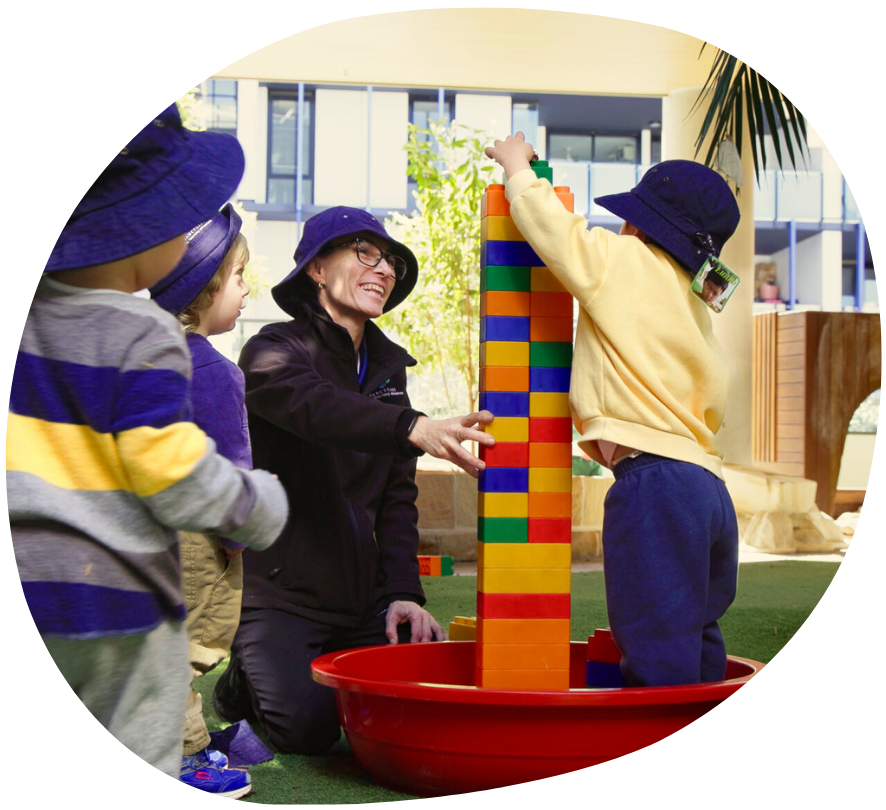
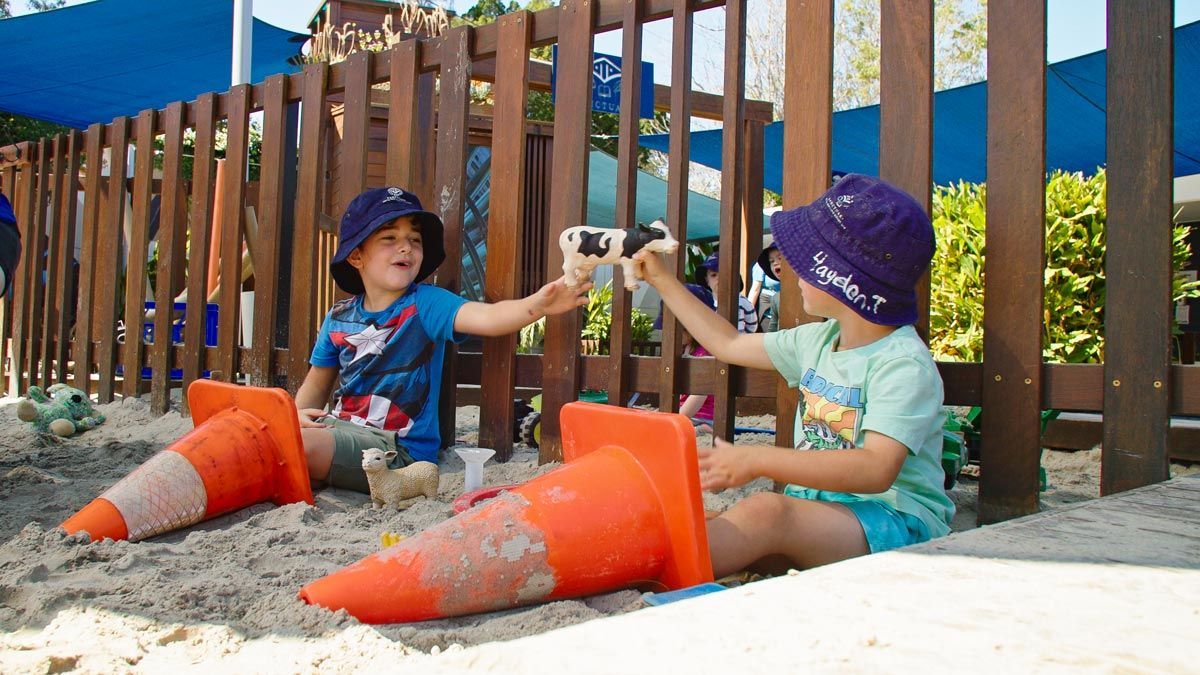
Structured group activities like yoga, music, dance and sport offer numerous benefits for children. Not only do they enhance physical development, improve coordination and promote overall health; these activities foster social skills, teamwork and cooperation, encouraging children to build friendships.


Role of Educators


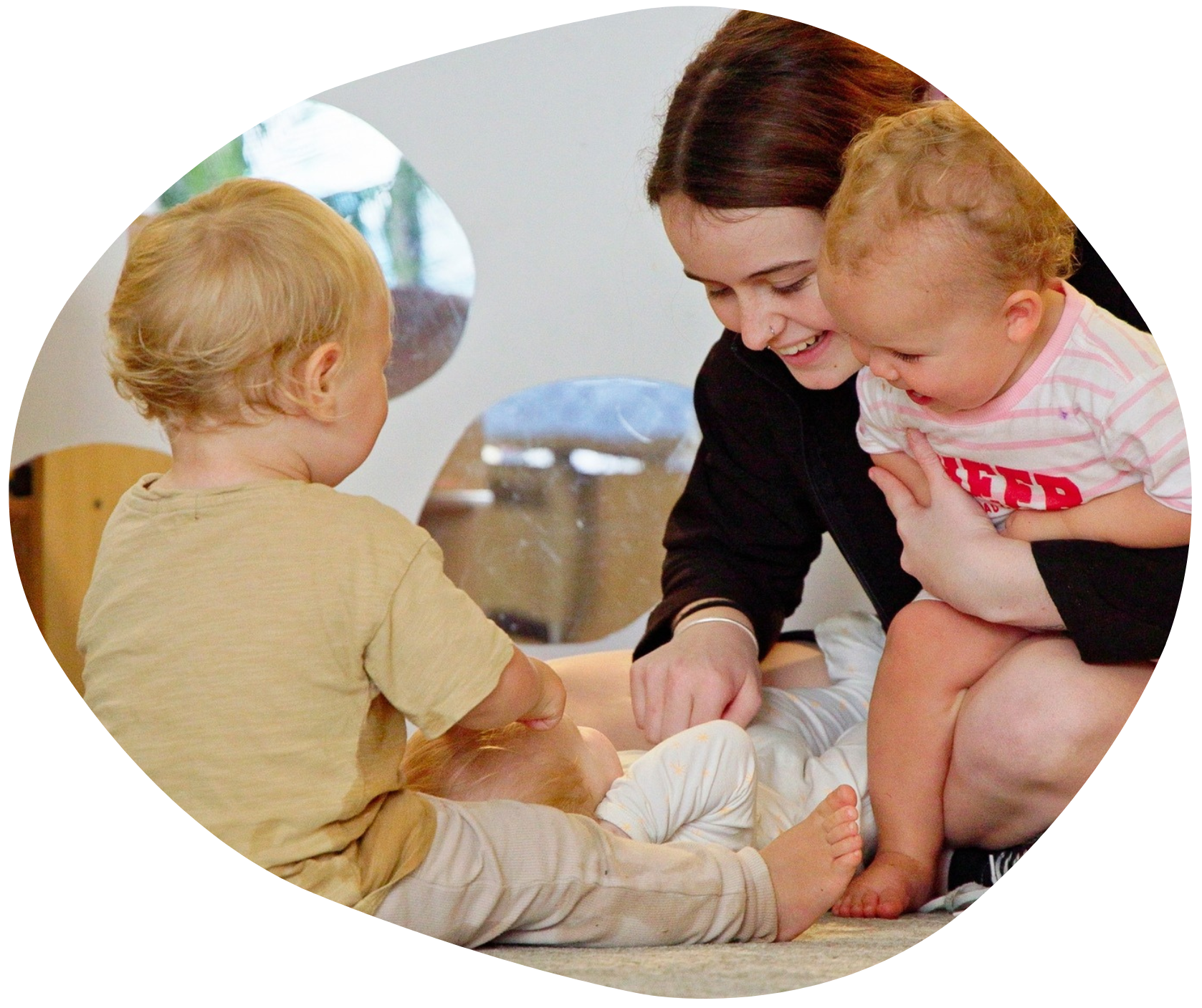
Educators play a vital role in fostering children’s social development. They encourage children to express their thoughts and listen to others, promoting active listening and verbal skills. By demonstrating positive social interactions, educators set a strong example for children. Additionally, they assist in resolving disputes and teaching effective communication and problem-solving skills, among the key childcare benefits supporting a child’s overall growth.


Nurturing Emotional Intelligence in Early Years


Learning to identify and understand one’s own emotions and those of others is a fundamental part of emotional intelligence. This foundational skill helps children navigate social interactions more effectively. Interacting with peers in various situations helps children learn to empathise with others. These experiences teach them to appreciate different perspectives and develop compassion. Educators can support children in recognising and managing their emotions, promoting self-regulation. By guiding them through challenging feelings, educators help children build resilience.


Role-Playing: A Gateway to Social Understanding and Empathy


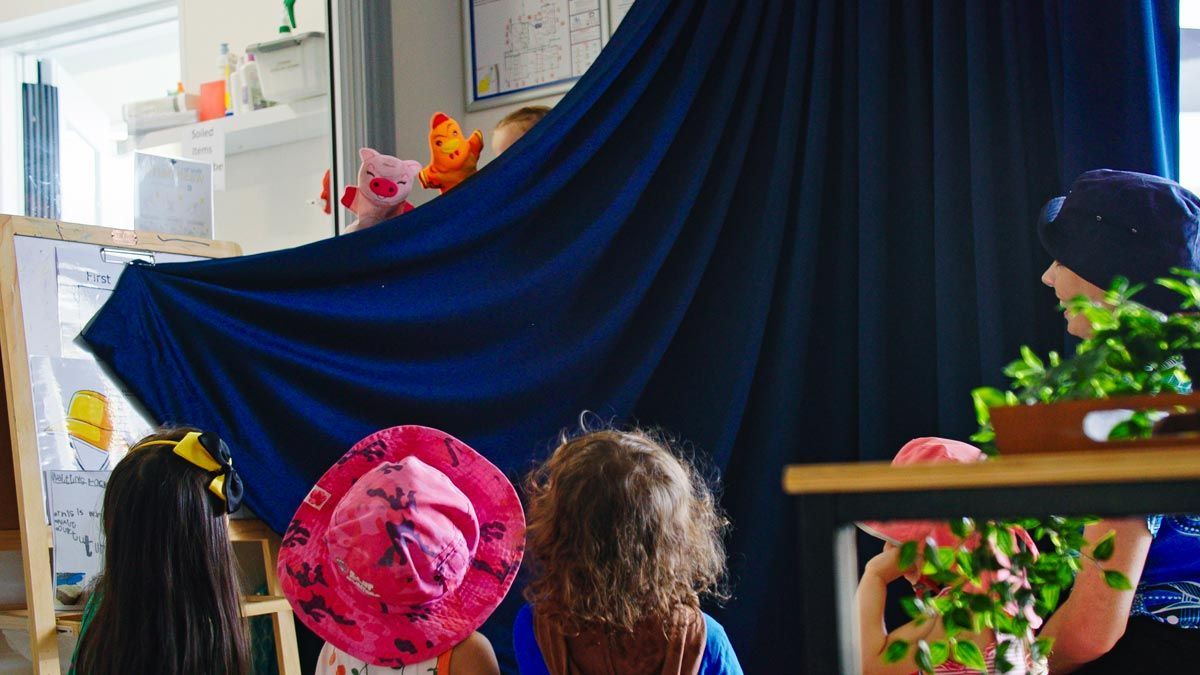
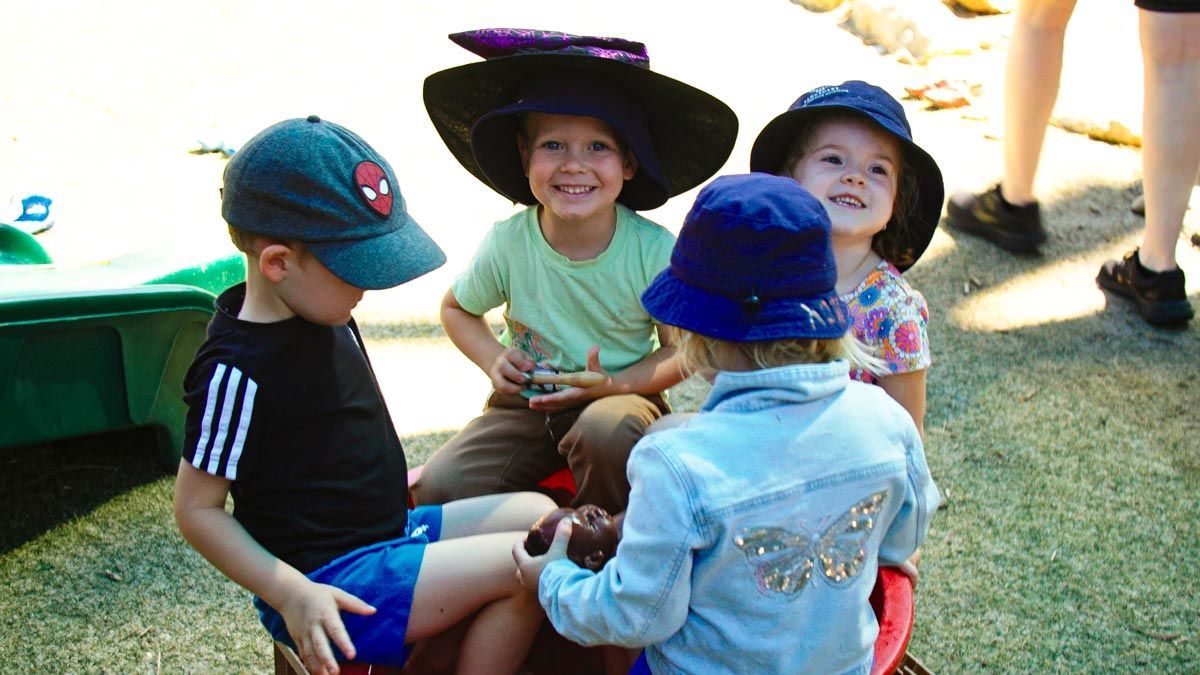
Role-playing games at childcare allow children to step into others’ shoes, fostering empathy and social understanding. These imaginative play scenarios enable children to explore different perspectives and social roles.


Examples:


  • Family Role-Play: Children take on roles of family members, understanding dynamics and responsibilities.
  • Community Helpers: Playing roles like doctors, firefighters or teachers helps children appreciate various professions and their societal contributions.
  • Problem-Solving Scenarios: Role-playing different conflict situations teaches children effective resolution strategies, allowing them to understand others’ perspectives; developing deeper empathy.
  • Role-playing activities encourage communication, cooperation and negotiation.
  • Imaginative play stimulates both creativity and cognitive development.


Guided Conflict Resolution: Building Problem-Solving Skills


Educators can be crucial in guiding children through conflict resolution and teaching valuable problem-solving skills. Here are the steps typically taught at early learning centres:


  • Identifying the Problem: Helping children articulate the issue by asking open-ended questions to clarify the situation.
  • Expressing Feelings: Encouraging children to share their feelings respectfully, ensuring they understand emotions are okay.
  • Brainstorming Solutions: Discussing possible solutions and their potential outcomes, fostering creative thinking and collaboration.
  • Agreeing on a Solution: Reaching a consensus that satisfies all parties involved, promoting fairness and mutual respect.
  • Implementing the Solution: Implementing the agreed solution and reflecting on the outcome reinforces the importance of follow-through and learning from experiences.


Join Us in Nurturing Your Child's Social Growth


At Sanctuary Early Learning Adventure, we understand the profound impact that early socialisation can have on a child’s development. Our tailored activities and experienced educators provide a nurturing environment where children can grow their social, cognitive and emotional skills. Get in touch via our contact page or give us a call for more information. If you’re considering childcare options and want to give your child a head start in life’s social landscape, we invite you to get in touch via our contact page or give us a call for more information. Let’s work together to support your child’s social and emotional development in these crucial early years.


Author: Lauren Hall


Find Sanctuary Early Learning Adventure Ashmore here.


Find Sanctuary Early Learning Adventure Buderim here.


Find Sanctuary Early Learning Adventure - Health & Knowledge Precinct here.


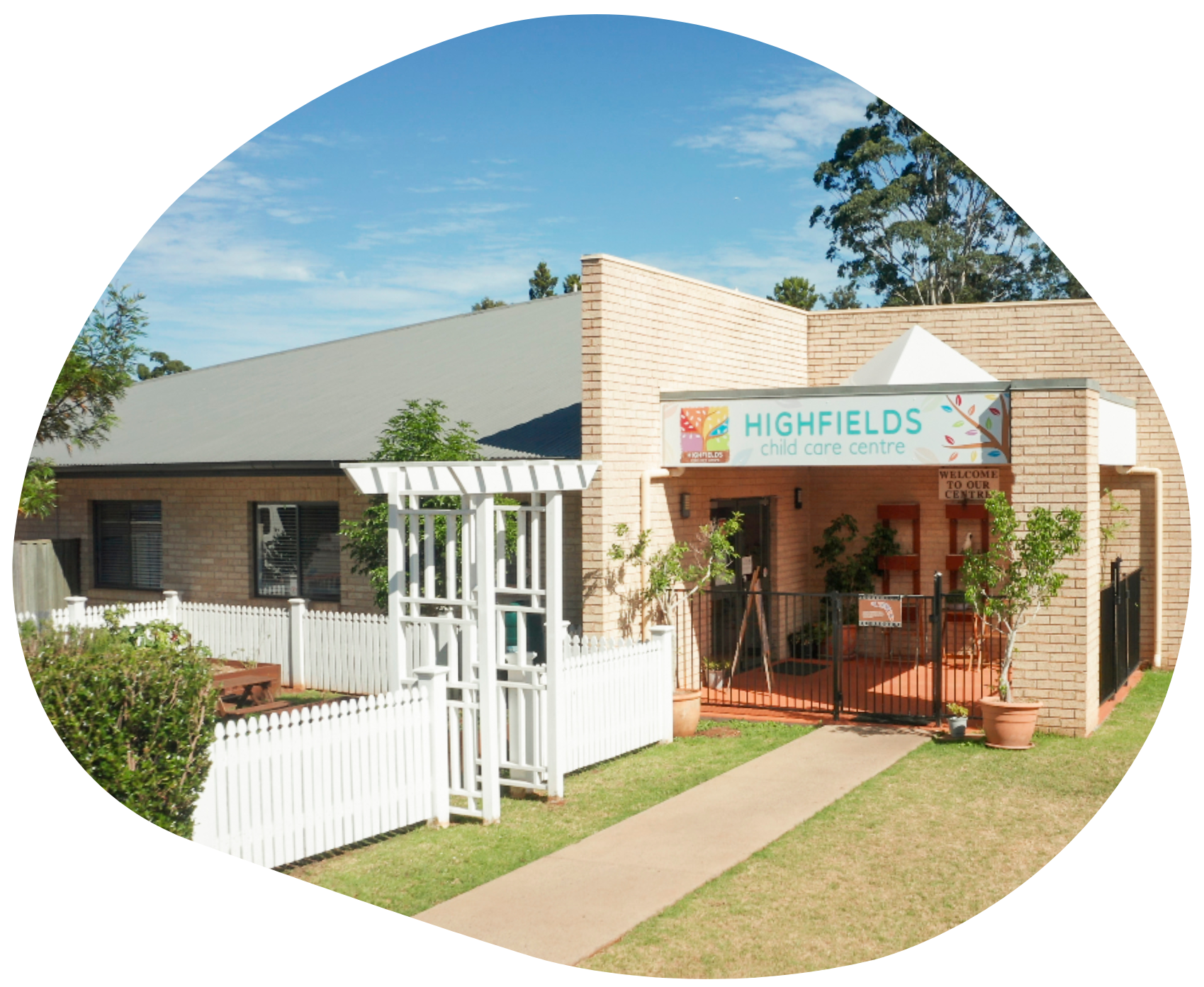
Find Highfields Child Care Centre here.


Find Sanctuary Early Learning Adventure Maudsland here.


Find Sanctuary Early Learning Adventure Redlynch here.


Recent Articles From Sanctuary
By Emma Rossely July 2, 2026
Our Mid-Year Summative Assessments are now available for families to view on OWNA. These assessments are more than a form. They are built from the Early Years Learning Framework (and, for our Kindergarten children, the Queensland Kindergarten Learning Guideline), which sets out the developmental milestones we look for as children grow. Twice a year, our educators bring together everything they have observed, from everyday moments to learning stories and photos, to show where your child is thriving and where they are developing next. You will see your child's strengths and achievements front and centre, along with any emerging skills we are watching grow. Where an assessment shows a child may benefit from a little extra support, that is never a cause for concern. It simply gives us the chance to work alongside you early, so we can put the right support in place together and help your child keep moving forward with confidence. Your child's summative assessment is one part of a bigger picture. Each centre also runs a quarterly developmental monitoring cycle, where educators check in regularly on how every child is tracking against those same EYLF milestones, not just at the mid and end of year points. This means nothing is left to chance between assessments. If something emerges that needs a closer look, our educators can act on it early rather than waiting for the next formal assessment to come around. This ongoing monitoring is what allows your summative assessment to feel like a natural update rather than a surprise. By the time you read it, your educators have likely already been watching, adjusting and supporting your child's development all along, and the assessment simply puts that into words for you. This information also shapes what happens in the room. It helps us tailor our program so it continues to reflect your child's individual interests, strengths and needs.  Where it would help, our Diversity and Inclusion Leader is also available to join the conversation, to make sure every child is supported to thrive. As part of a positive transition to school, we ask all Kindergarten families to book a meeting with their child's educator to talk through their assessment. Thank you for partnering with us as we nurture your child's unique learning journey.
By Bridgit Paul July 2, 2026
Celebrate Mandi’s five years at Sanctuary Maudsland and discover how her passion for nutrition, cooking and early learning supports children every day.
By Emma Rossely June 30, 2026
The skills that matter most
two children w
By Jo Maguire June 28, 2026
Discover how an atelier-style creative space helps children explore, collaborate, regulate and express themselves through open-ended art experiences.
Show More