The early years of a child’s life are filled with excitement, curiosity, and boundless energy. It is during this time that they begin to develop their cognitive,
emotional, and social skills. One way to encourage this growth is through the introduction of art into their daily lives. Art allows children to express themselves, explore new concepts, and foster creativity. In this blog, we will discuss the advantages of incorporating art into early childhood, highlighting its impact on development, communication, and confidence.
Cognitive Development & Problem-Solving Skills
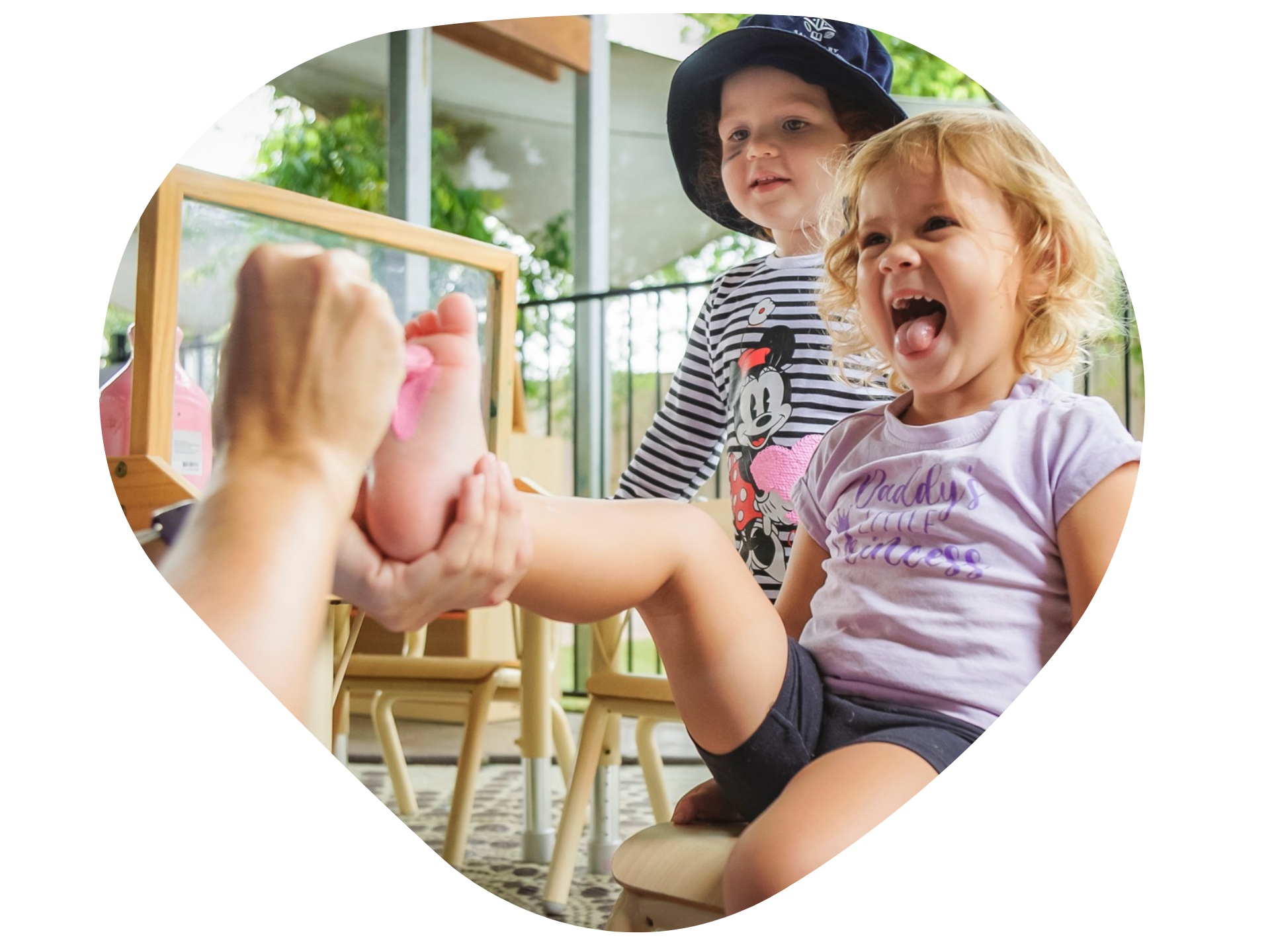
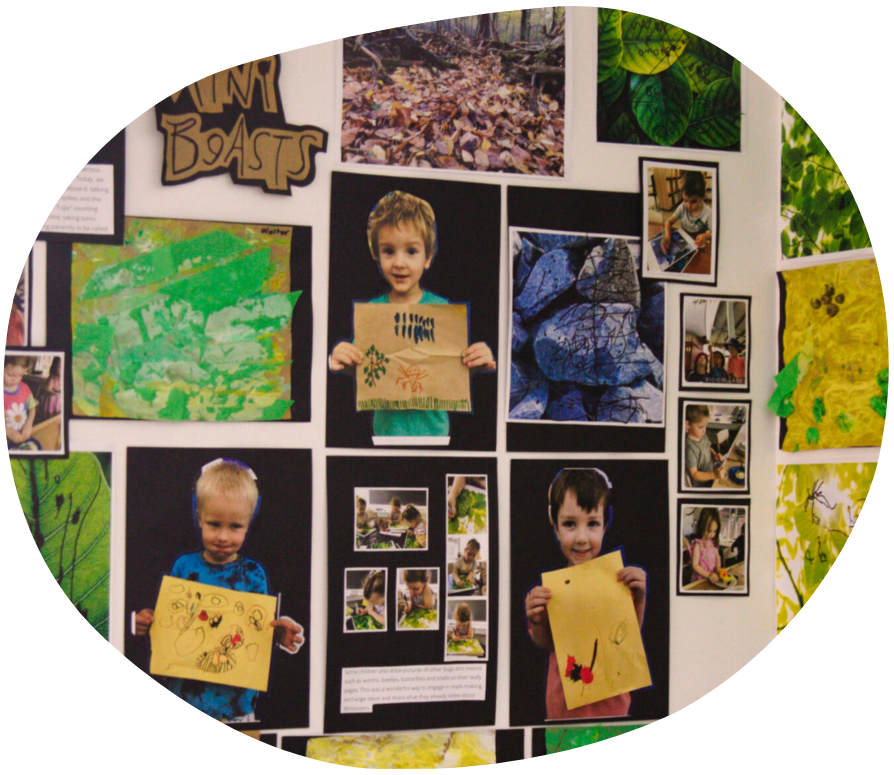
Art is not only a fun and engaging activity for young children, but it also helps to develop their cognitive abilities. As children draw, paint, or sculpt, they use their imagination and critical thinking skills to bring their ideas to life. This process helps to develop their problem-solving abilities and encourages them to think outside the box. Art also enhances their fine motor skills, which are essential for tasks like writing and tying shoelaces. Furthermore, engaging in art activities can improve a child’s focus and concentration, skills that are transferable to other areas of learning.
Communication & Language Skills
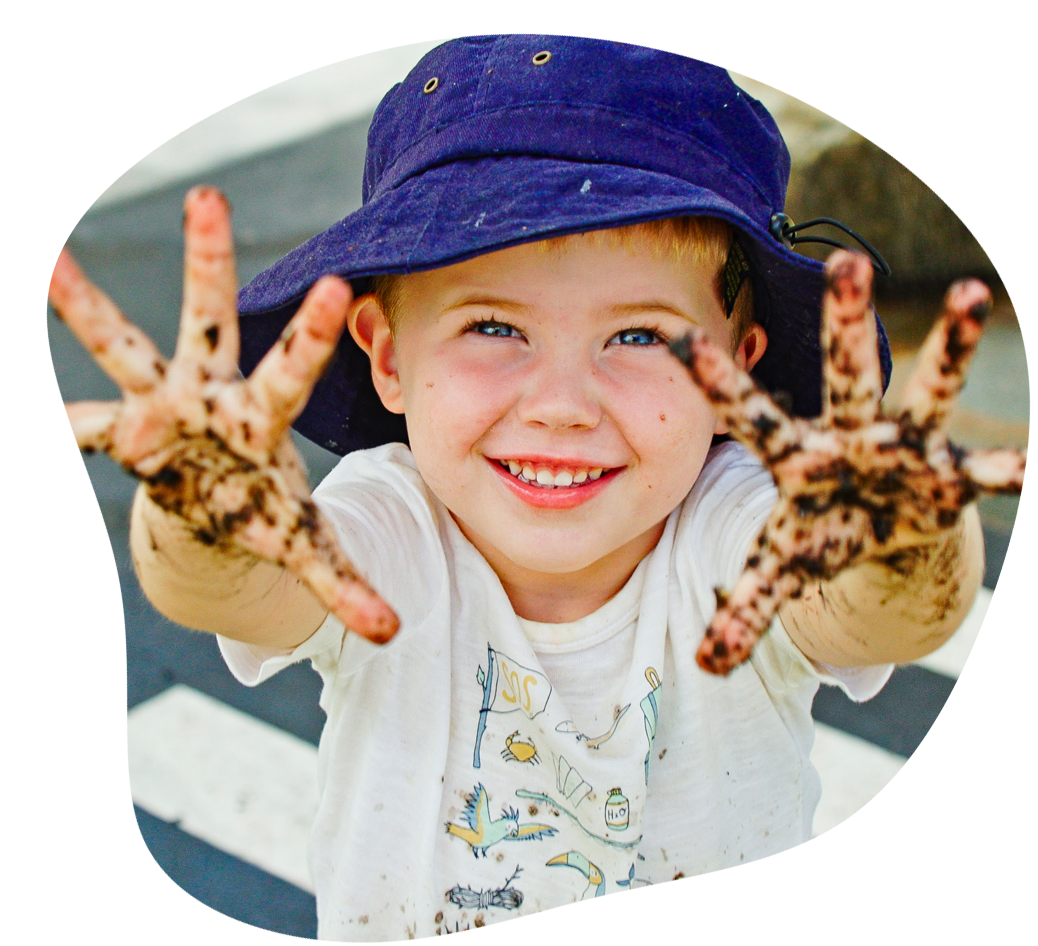
Art provides a unique opportunity for children to express themselves without relying on words alone. Using different colours, shapes, and textures, they can convey their emotions, thoughts, and experiences. This non-verbal communication can help to build their confidence in expressing themselves, especially for children who may struggle with language development.
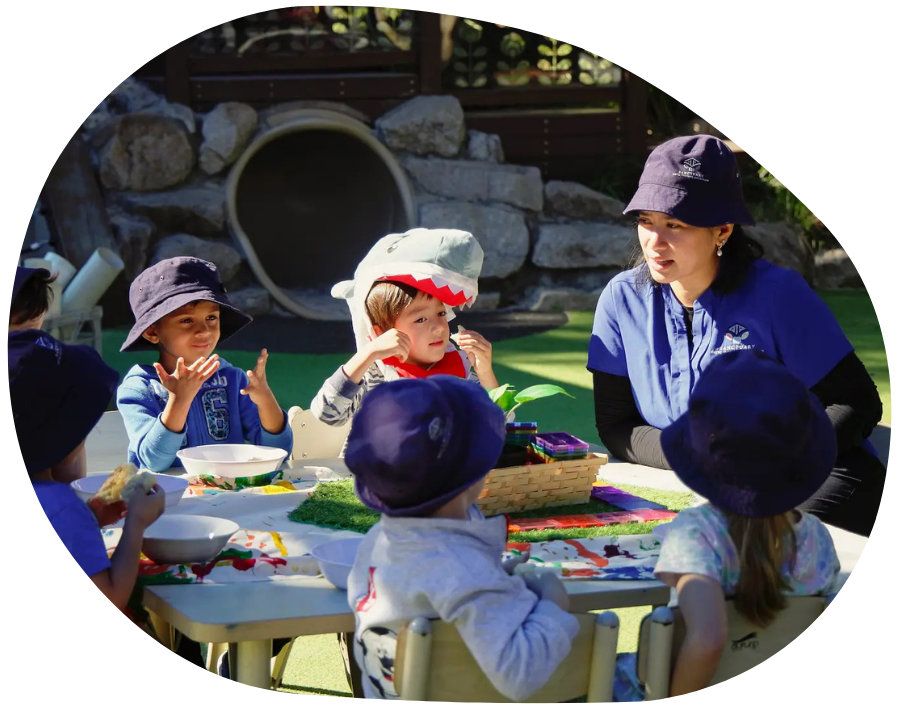
Additionally, discussing their artwork with others helps to develop their language skills. As children explain their artistic choices or listen to feedback, they learn new vocabulary and practise their conversational skills. This social interaction is crucial for their overall language development and enhances their ability to listen and empathise with others.
Emotional & Social Development
The process of creating art can be both calming and therapeutic for young children. As they focus on their artwork, they learn to manage their emotions, developing a sense of self-awareness and self-regulation. Art also offers a safe space for children to explore their feelings, providing an opportunity for them to understand and process complex emotions.
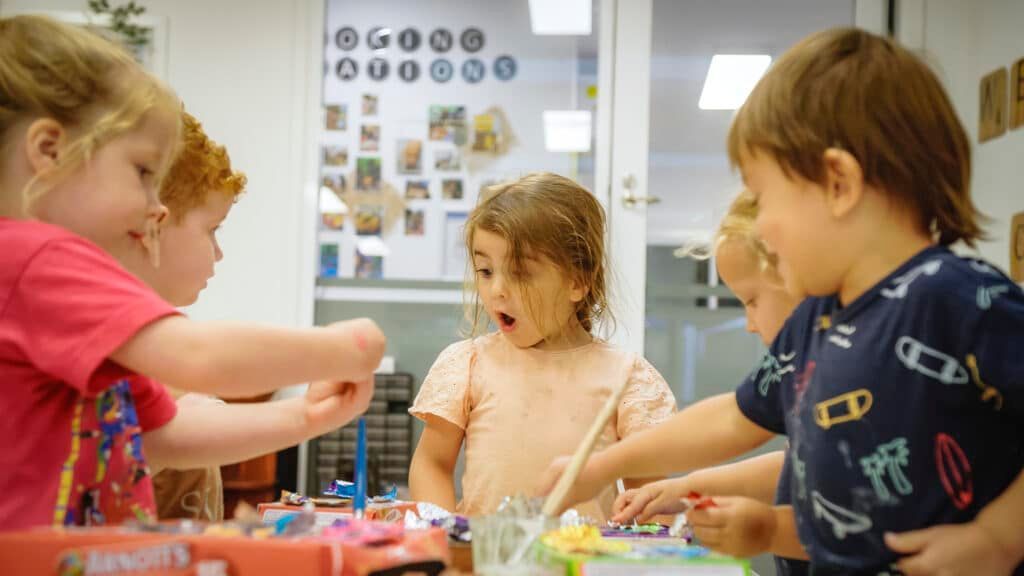
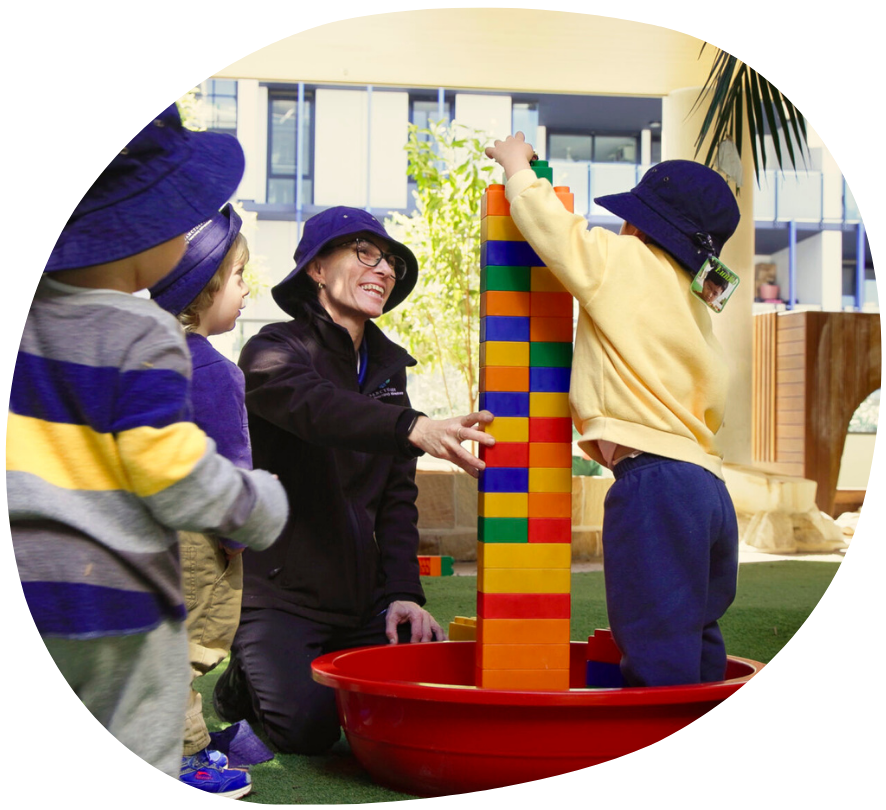
Moreover, art can promote social development as children work together on collaborative projects or share their artwork with others. This interaction helps to foster teamwork, respect for others’ opinions, and a sense of belonging. Participating in art activities together can also strengthen bonds between children and their caregivers, creating an environment that supports emotional growth.
Fostering Creativity, Imagination & Empathy
Creativity is an essential skill for success in today’s rapidly changing world. Art encourages children to think creatively and use their imagination, laying the foundation for innovative thinking later in life. By engaging in art activities, children learn to approach challenges with a creative mindset and find unique solutions to problems. Moreover, nurturing creativity in early childhood can lead to a lifelong love for the arts, providing children with a valuable means of self-expression and enjoyment.
Art can also help to develop empathy in young children. As they create and share their artwork, they learn to appreciate the perspectives and feelings of others. This understanding can lead to increased tolerance, acceptance, and compassion, contributing to the development of a more empathetic society.
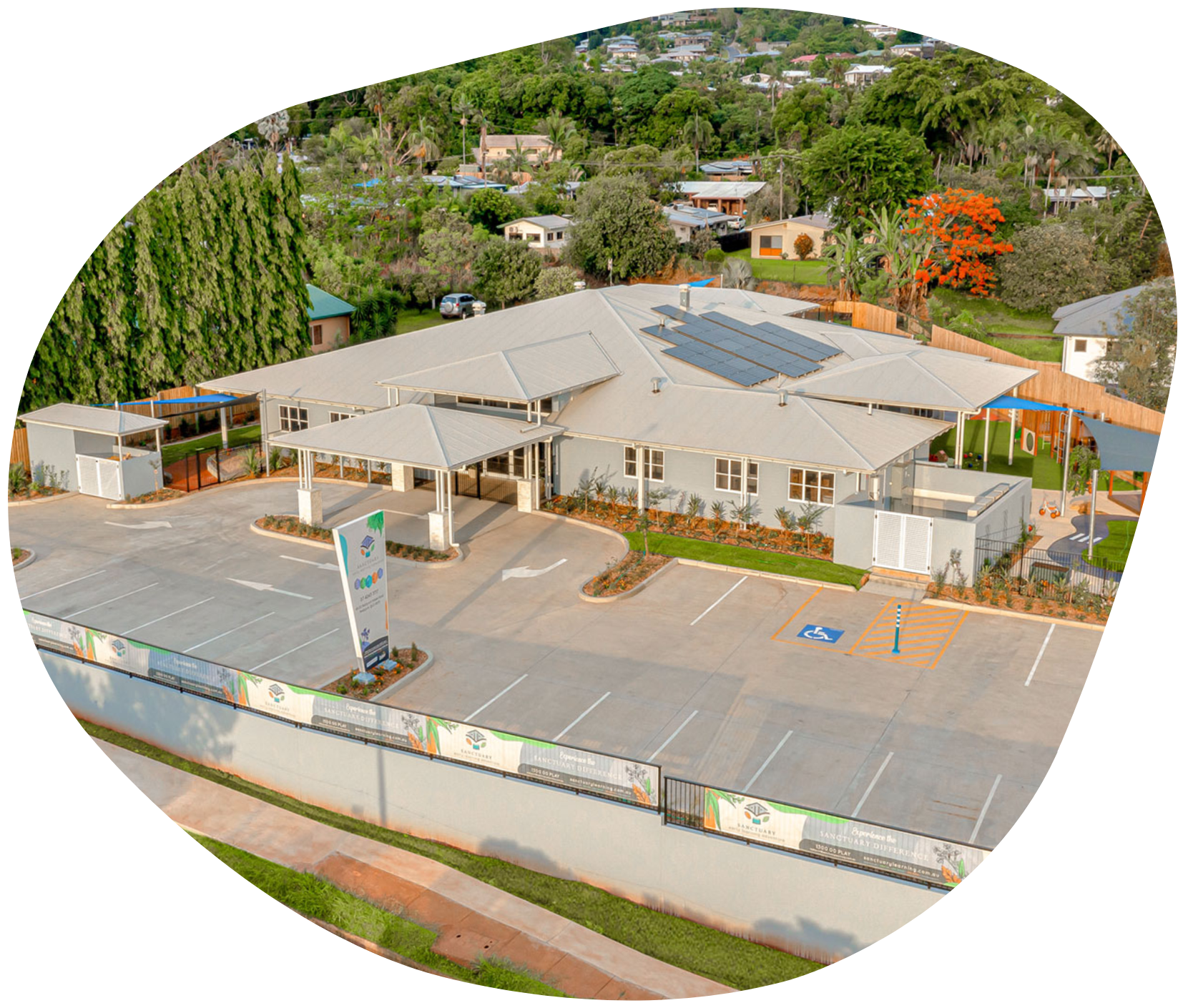
The benefits of incorporating art into early childhood education are undeniable. From cognitive development to emotional well-being, art plays a crucial role in shaping young minds and preparing them for a bright future. Sanctuary Early Learning Adventure, with centres in Ashmore, Redlynch, Buderim and Maudsland, is committed to providing a well-rounded early education that includes the integration of art into their curriculum. Our approach ensures every child has the opportunity to experience the advantages of art in their formative years, paving the way for a lifetime of creativity, confidence, and success.
Author: Lauren Hall
Find Sanctuary Early Learning Adventure Ashmore here.
Find Sanctuary Early Learning Adventure Buderim here.
Find Sanctuary Early Learning Adventure - Health & Knowledge Precinct here.
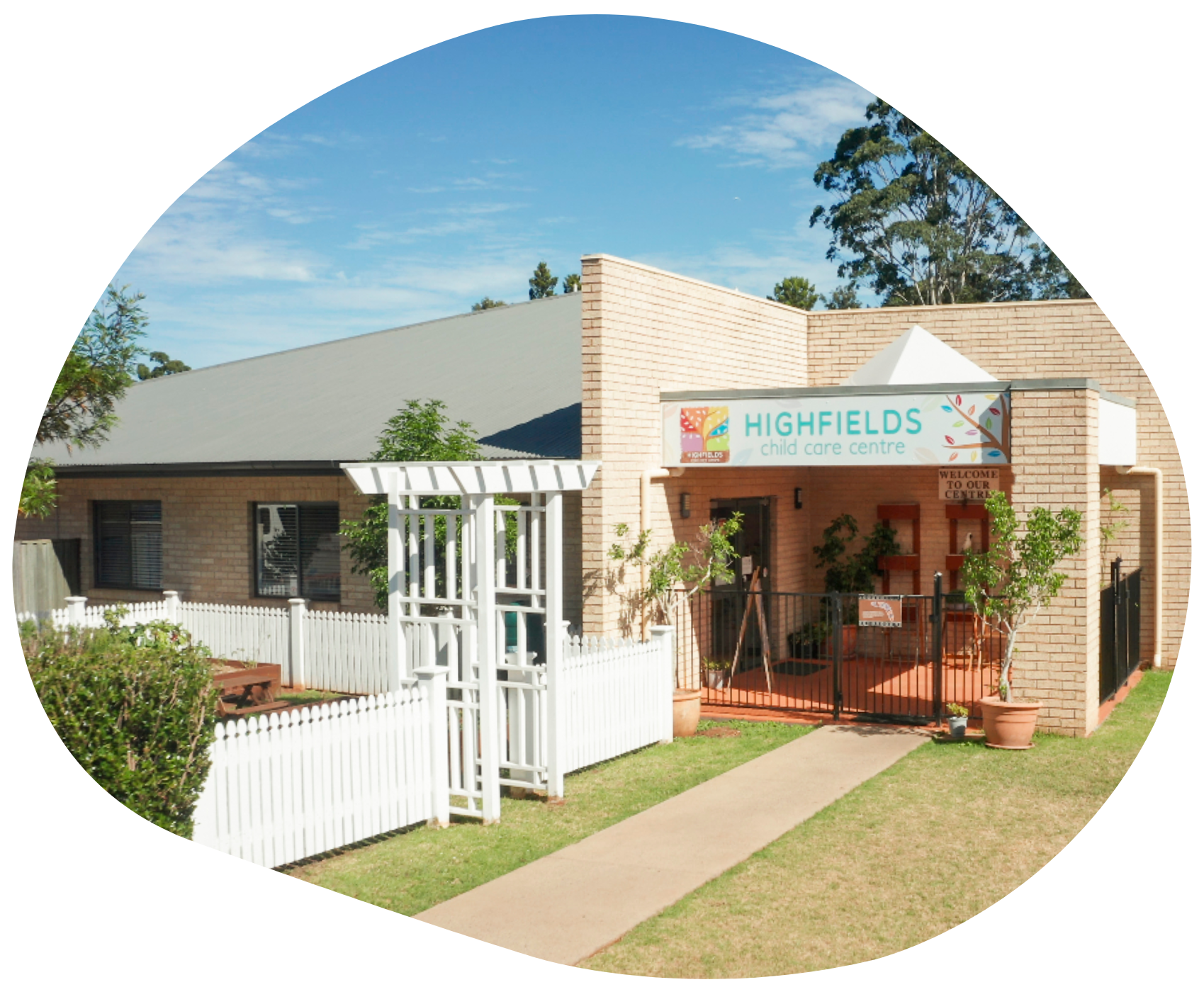
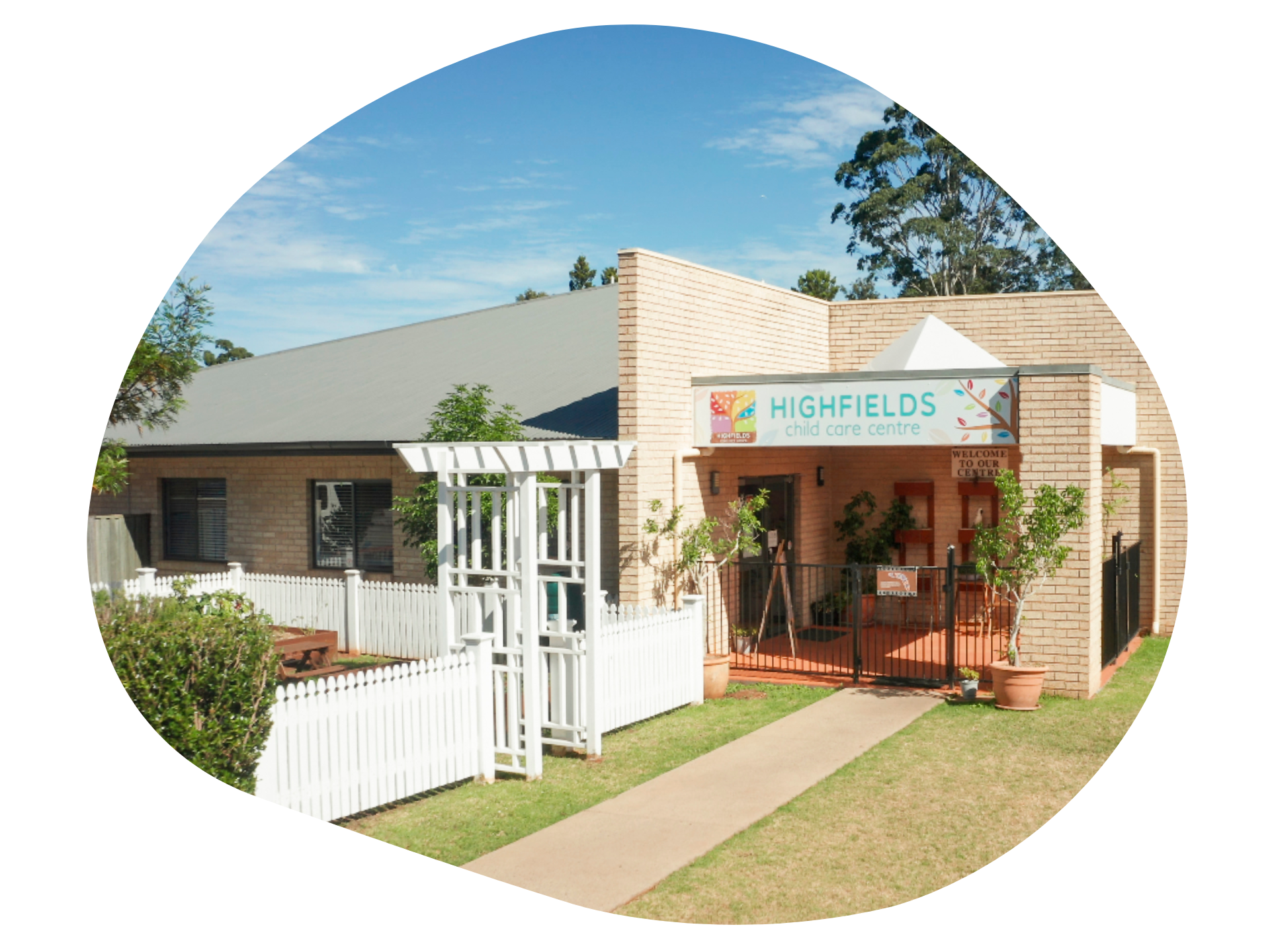
Find Highfields Child Care Centre here.
Find Sanctuary Early Learning Adventure Maudsland here.
Find Sanctuary Early Learning Adventure Redlynch here.